India–South Korea Relations Set To Transform With Tech-Forward Presidency of Lee Jae-myung
The selection of Lee Jae-myung as the head of South Korea greatly concerns India in terms of business relations as they prepare to unlock new avenues for diplomacy in the evolving Asian environment.

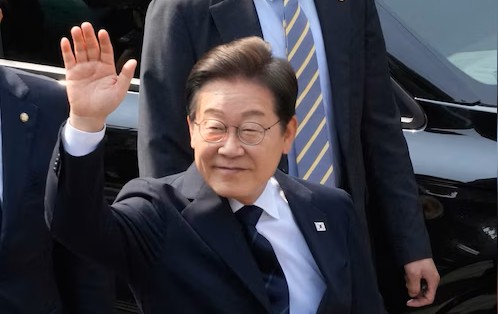
New Delhi, India – The change of leadership to Lee Jae-myung is accompanied by a surge of concern in the Indian subcontinent, as a progressive and pragmatic leader assumes the role during a time of global power shifts. Undoubtedly, there are opportunities, but they also come with uncertainties.
Trade gaps are expected to be leveled as South Korea and India strengthen their bonds, backed by trust and a solid foundation for cooperation, which they have gradually formed over the past decade. Expect bilateral trade figures to reach as high as $ 27.5 billion in 2023-2024. The primary concern is India’s persistent trade imbalance, as well as the current gaps in the CPEA (Comprehensive Economic Partnership Agreement), which have remained unresolved for some time.
Lee’s shifts towards technology and green growth might just revive these talks. Advocates within his faction are likely to argue that a balanced policy framework is crucial for promoting trade and fostering trade relations, outlining strategies to neutralize the electric vehicle, semiconductor, and digital infrastructure blocks intended to mitigate Indian trade barriers.
The construction of China-centered supply chains for both countries presents even greater prospects for investment as Indian operations are a focus for South Korean giants such as Samsung, Hyundai, and LG, which have already heavily invested in the country.
Yoon Lee succumbs to a far less hawkish approach to diplomacy than his predecessor’s America-first alignment to South Korean policy. Quad’s participation, with a focus on India as a central player, may have some influence on South Korea’s Indo-Pacific policies.
India can understand this dynamic, as its south-eastern counterpart might maintain silence over U.S. bipartisan strategies in the region. Still, it would not counter India’s regional presence for siding with the Chinese camp. Lee’s presidency will most likely end up striking a vulnerable array of diplomacy. This means sustained cooperation with India, particularly on maritime and cybersecurity, will parallel the stabilization of economic relations with Beijing.
India can seize the moment and deepen technological collaboration with South Korea under the freshly inaugurated Lee Jae-myung, particularly in Artificial Intelligence, green tech, and digital governance. The two nations cultivate a shared perspective for an open, rules-governed Indo-Pacific region, while also deepening connections through tourism and pop culture.
But some problems persist. The economic vulnerability of South Korea to China’s economy means Lee will be careful not to make moves that increase tensions with Beijing. Likewise, India will scrutinize the extent of Seoul’s engagements with North Korea and China to ensure they do not undermine New Delhi’s strategic calculations.
India stands to gain with South Korean President Lee Jae-myung’s economic focus. Although both countries will have to navigate the dense web of geopolitical challenges surrounding the region. While South Korea may not experience major shifts in its foreign policy, there is likely to be a boost in South Korea’s relations with India, which will increase Seoul’s economic focus and result in the country maintaining an adaptive stance in the context of Asia’s evolving order.