Indian Voice Artists in Japanese Anime Dubs? A New Wave of Cross-Cultural Storytelling

0

New Delhi, India, July 24, 2025 — The rise of anime in India has opened doors not just for fans but also for a new breed of voice artists looking to leave their mark on global content. As Japanese anime continues to gain massive popularity among Indian youth, there’s a growing demand for high-quality regional and Hindi dubs—ushering in opportunities for Indian voice artists to lend their voices to beloved characters from iconic series. While traditionally English or Japanese versions with subtitles dominated the scene, Indian dubs of anime like Naruto, Dragon Ball Z, Attack on Titan, and Demon Slayer have found a niche and loyal audience. Voice artists from India are now stepping into roles once reserved for international professionals, showcasing immense versatility in capturing the emotions, intensity, and depth of complex anime characters.
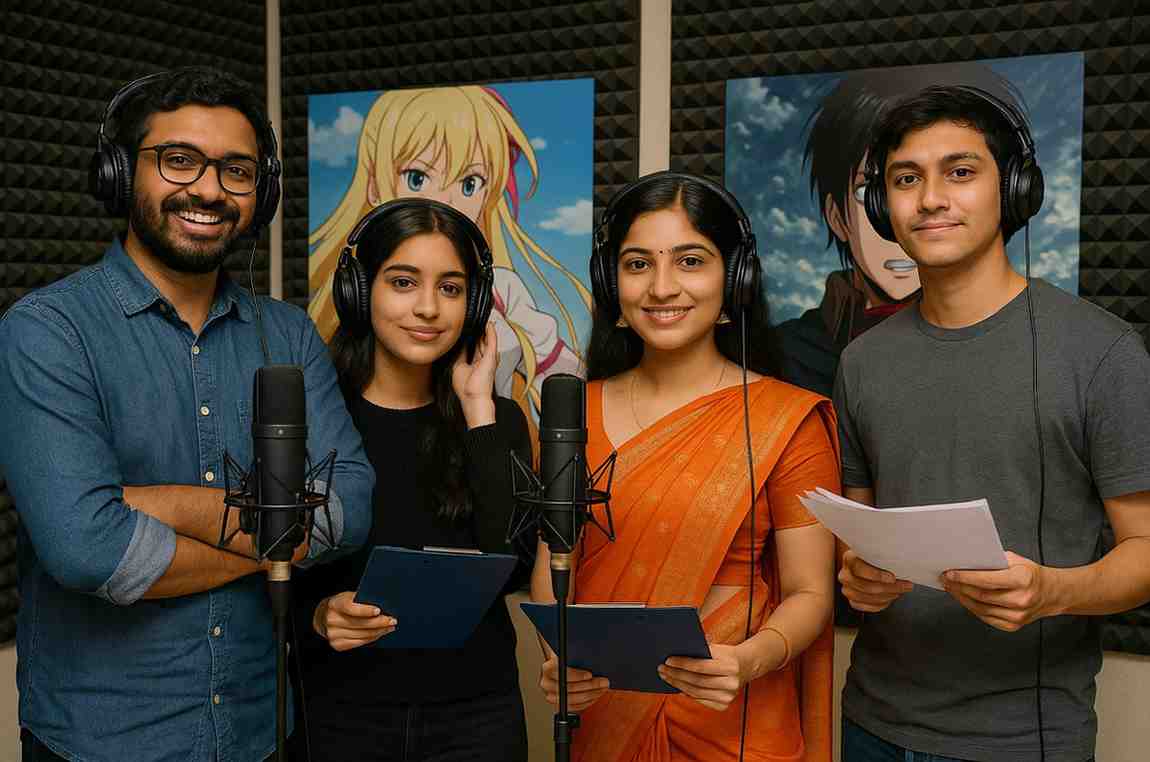
These artists face the unique challenge of staying true to the original Japanese tone while adapting the dialogue to suit Indian cultural sensibilities and language flow. It’s not just about literal translation—it’s about performance. They must understand the anime character’s emotional arc, speech patterns, and even body language to recreate an authentic viewing experience for Indian audiences. Whether it’s the high-pitched determination of a young hero or the calm menace of a villain, Indian voice artists are learning to match the energy and rhythm of Japanese anime, ensuring the dubs feel natural, powerful, and emotionally resonant.

The success of dubbed anime in Hindi, Tamil, and Telugu is testament to the growing demand for localized content. Voice artists like those working with platforms such as Netflix, Crunchyroll, Sony YAY!, and YouTube anime channels are starting to build fan followings of their own. Many fans now eagerly wait for dubbed releases, not because they can’t watch the original versions, but because the local voices bring a sense of familiarity and cultural relatability. Phrases are localized, punchlines adapted, and emotional beats crafted in ways that better reflect Indian linguistic rhythms—without compromising the integrity of the source material.

What’s also notable is the rise of aspiring voice artists from non-metro cities who are being trained in animation dubbing. The growth of anime clubs, social media fandoms, and online voice acting workshops has fueled a grassroots movement, empowering young talents to find careers in anime dubbing. Studios are beginning to recognize this potential, tapping into India’s multilingual voice pool to create region-specific versions of anime that can reach even wider audiences.

Moreover, this movement contributes to the larger global trend of localization with authenticity. As Japanese studios explore wider international markets, including India, collaborations with Indian voice actors, translators, and dubbing directors are becoming more common. This cultural cross-pollination is enriching both industries—the precision and intensity of anime storytelling on one side, and the expressive, melodically diverse voice traditions of India on the other.

Indian voice artists in Japanese anime dubs are not just voice actors—they are cultural interpreters, bridging emotional and linguistic gaps between Tokyo and Tirupati, Osaka and Odisha. As anime becomes a shared language for youth across the world, these artists are ensuring that India’s voice is firmly part of the conversation. The future could see Indian voices even contributing to original anime works or co-productions, expanding India’s creative footprint in global animation storytelling.

Ask ChatGPT
Asian Logo After Post
Leave A Reply

Your email address will not be published.