KOSME -JNU KBC Training Program Completion Ceremony Held Successfully

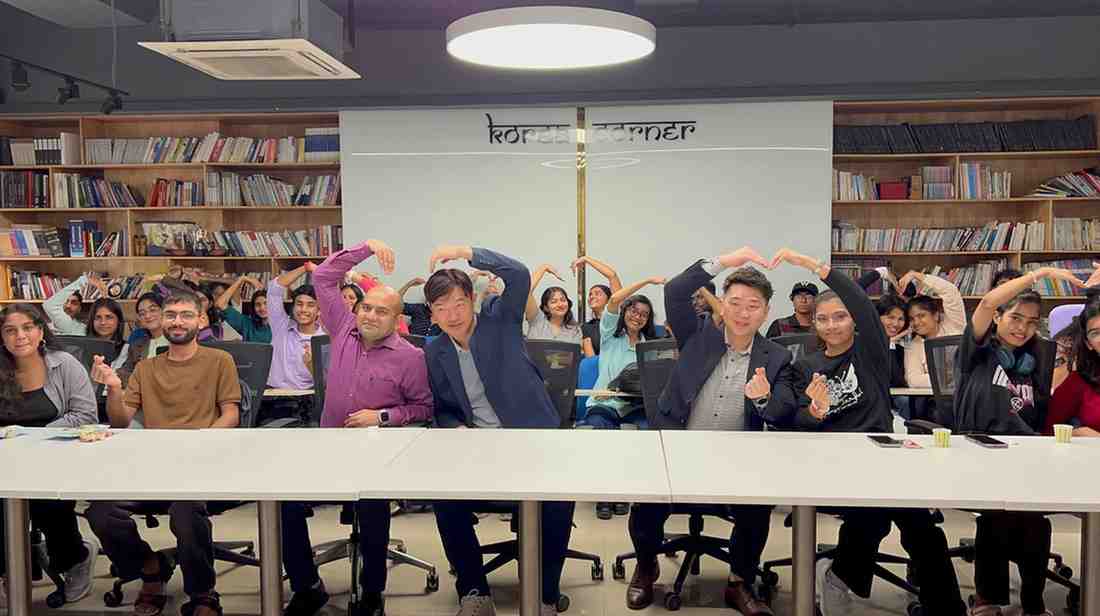
New Delhi, India – The KOSME-JNU KBC (Korean Business Culture) Training Program concluded successfully with a completion ceremony held on October 31st in the Korean Department of Jawaharlal Nehru University. Conducted over six weeks, the program provided 12 hours of structured training designed to prepare students for real-world corporate environments, particularly within Korean and global business settings.
 With the increasing presence of Korean multinational corporations and emerging Korean-linked startups across India, there is a growing need for young professionals who can communicate effectively, adapt to diverse cultural and professional expectations, and respond to real workplace challenges. Understanding this problem, Lee Jae Kyeong, Director at KOSME, initiated the KBC Program in partnership with JNU. The program’s goal was to develop industry-ready, culturally aware, and globally adaptable talent capable of excelling in Korean corporate environments.
The training focused on practical learning and workplace application. Students underwent sessions on Business Korean communication and corporate ethics, AI tool utilisation for documentation, SNS marketing and content creation strategies, presentation and negotiation skills, teamwork-building using MBTI understanding, and contemporary problem-solving approaches suited for the AI-driven professional era.
Beyond technical skills, students also learned how to prepare effective CVs, conduct themselves in professional environments, and work efficiently within Korean organisational structures.
The program was led and evaluated by Kang Seung Jung, Director of IKETS, a well-established Korean education and job consultancy platform. He provided guidance to participants throughout the training and later presented the evaluation process during the ceremony. The certification criteria consisted of 60% attendance, 20% assignments, 10% class participation, 5% quiz and test performance, and 5% teamwork, ensuring a well-rounded and fair assessment of student engagement and performance.
The ceremony began with welcome remarks by Lee Jae Kyeong, who emphasised the importance of cultural learning and professional adaptability for students aiming to build careers connected to Korea. This was followed by a speech from Professor Kaushal, Head of the Korean Department at JNU, who highlighted the value of industry-academic collaboration in creating meaningful career pathways for students.
A key highlight of the ceremony was a presentation delivered by Aashna, who was recognized as the best performer of the program. She shared her learning journey and demonstrated her improved communication and presentation skills, reflecting the practical impact of the training.
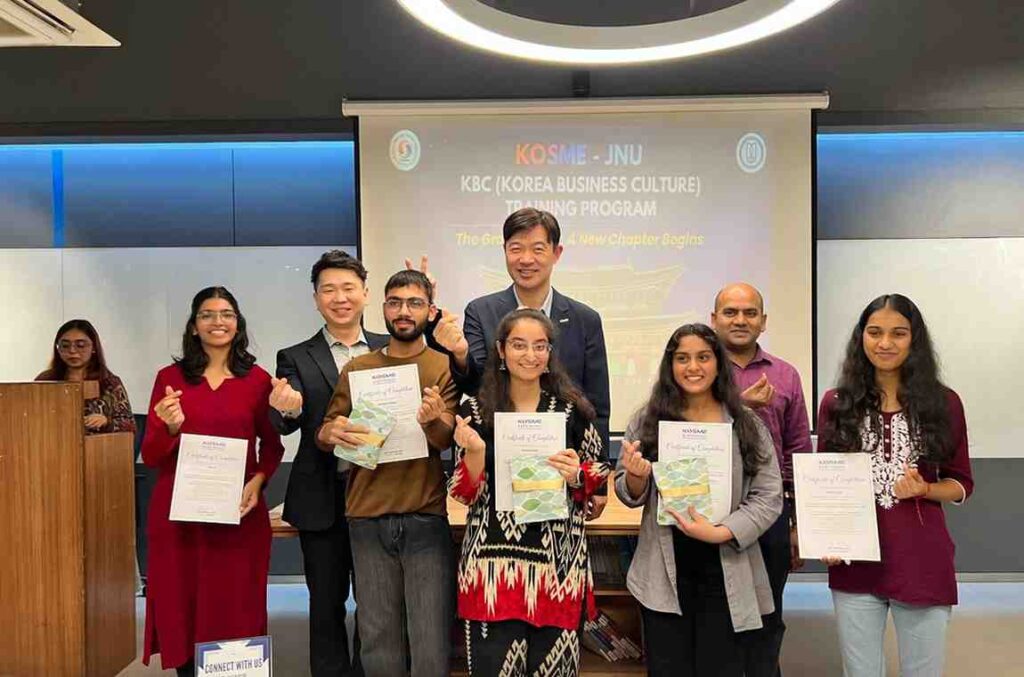
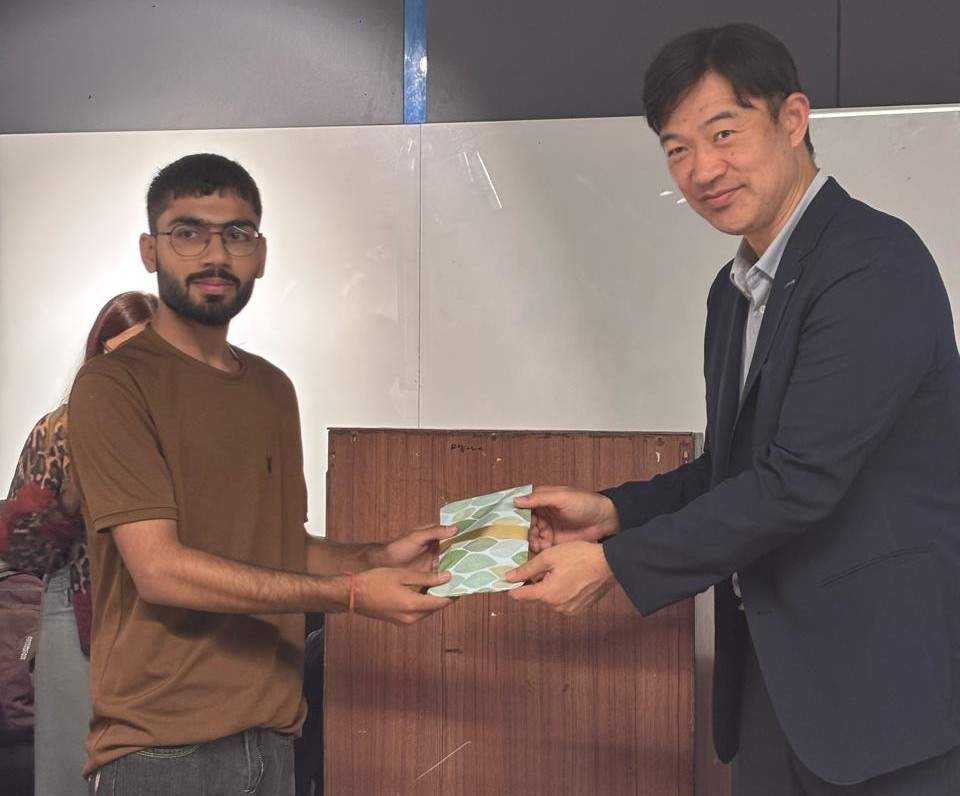
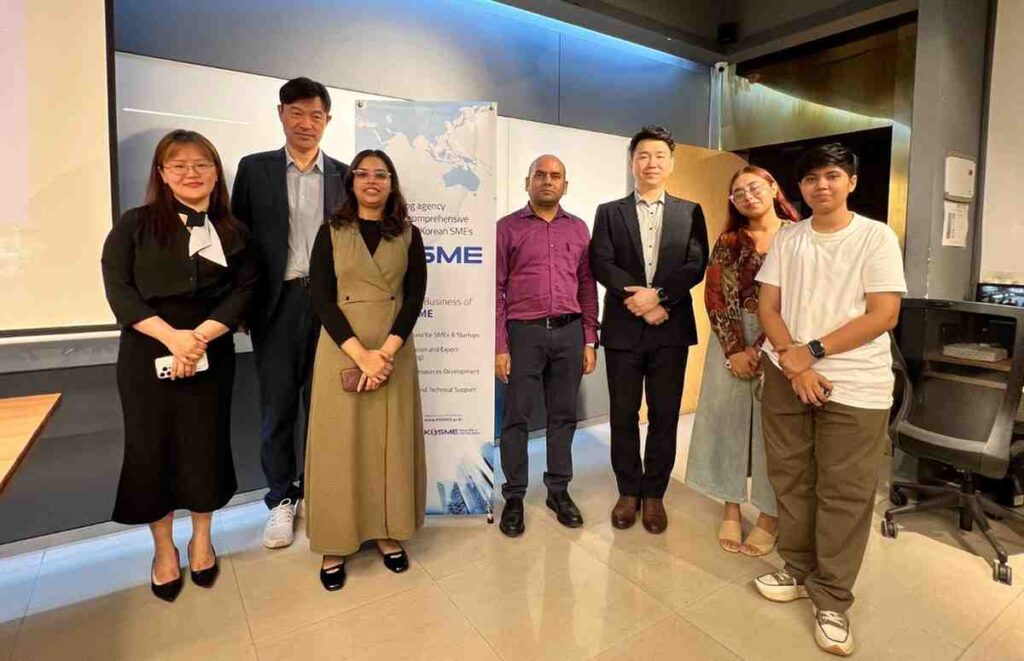 Following the presentations, certificates were awarded to the participants who met the program’s evaluation standards. A total of seven students received their official KOSME x JNU KBC program certification.
Students expressed strong appreciation for the opportunity and the learning experience. Sakshi, one of the participants, shared that the knowledge gained during the program was extremely meaningful and that the teaching approach of Mr Kang made the sessions engaging and insightful. She added that the six weeks went by very quickly due to the high level of interaction and involvement.
The KBC program will now move into its next stage, which includes a job-matching event. During this event, Korean companies will present their hiring needs, and certified students will be shortlisted for interview opportunities. This step provides a practical pathway for students to apply the skills they have developed and pursue meaningful career placements in Korean corporations operating in India and beyond.
 The successful conclusion of the KOSME x JNU KBC Training Program marks a significant milestone in enhancing student readiness for global work environments. The initiative continues to strengthen academic-industry collaboration and opens doors for future opportunities for students aspiring to build careers in the Korean and international business sectors.