
Taiwan Tells it’s Chip Story, the documentary way: A Chip Odyssey
More than a technological chronicle, A Chip Odyssey presents a deeply human story—one of ambition, sacrifice, and collective resolve. Five-year cinematic project traces Taiwan’s semiconductor rise and the human stories behind its global tech dominance.

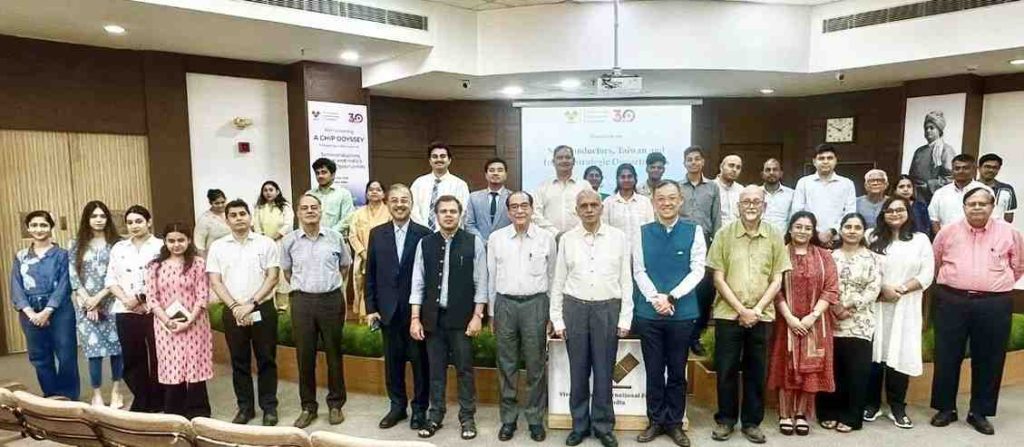
New Delhi, India: The Taipei Economic and Cultural Center (TECC), in collaboration with the Vivekananda International Foundation (VIF), hosted a special screening of the Taiwanese documentary A Chip Odyssey in New Delhi on May 13, bringing together cinematic storytelling and strategic policy dialogue around one of the most critical technologies shaping the global order.
The screening was followed by a roundtable discussion featuring TECC Ambassador Mumin Chen, VIF Director Dr. Arvind Gupta, and VIF Distinguished Senior Fellow Dr. Gulshan Rai. The discussion focused on the growing strategic importance of semiconductors in global politics, Taiwan’s central role in advanced semiconductor supply chains, geopolitical risks arising from technological interdependence, and the pathways available for India to build a resilient semiconductor ecosystem.
 The event also explored emerging opportunities for India–Taiwan cooperation in critical technologies, particularly at a time when semiconductors have become central not only to industrial growth and digital transformation but also to national security, artificial intelligence, defence systems, and future economic competitiveness.
By hosting the documentary screening alongside a policy-focused roundtable, TECC and VIF created a platform for deeper engagement on the intersection of technology, geopolitics, and supply-chain resilience. The event underlined how the semiconductor sector has moved far beyond the realm of industry and manufacturing to become a decisive factor in global power equations.
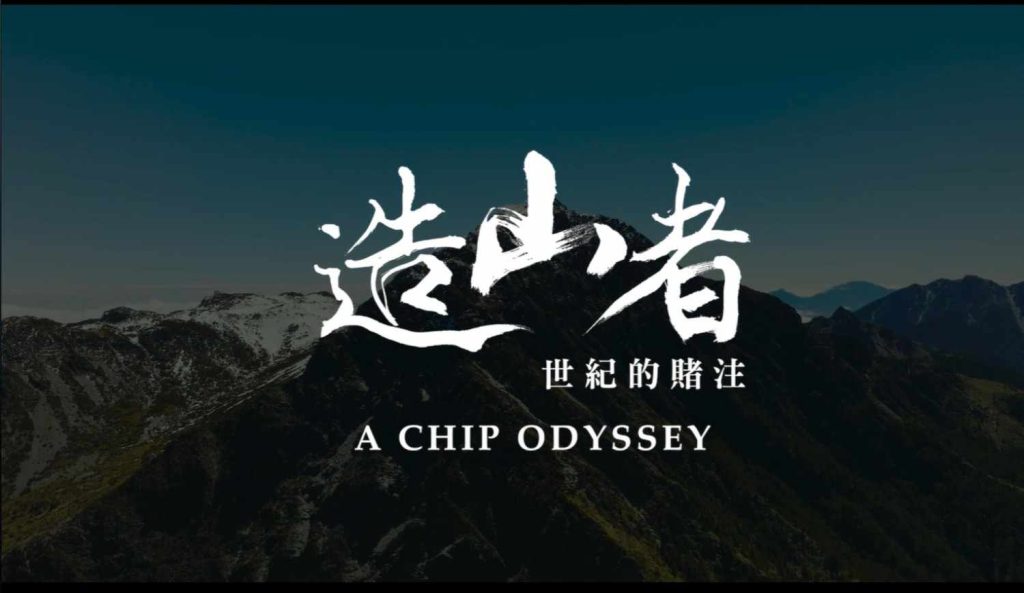
A Chip Odyssey is Taiwan’s first comprehensive cinematic account of the evolution of its semiconductor industry. Developed over five years, the documentary brings together insights from more than 80 prominent figures and traces how Taiwan built its globally critical semiconductor strength, often described as its “Silicon Shield.”
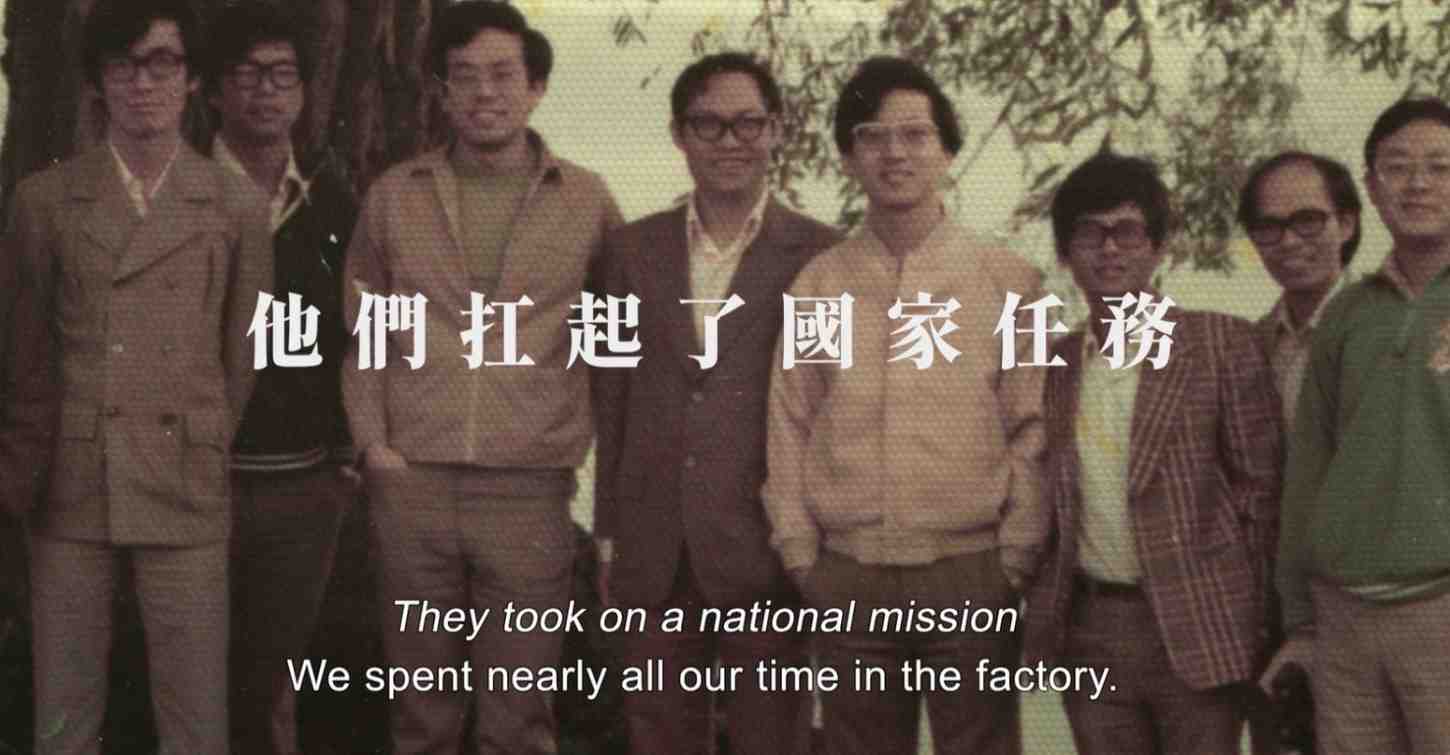
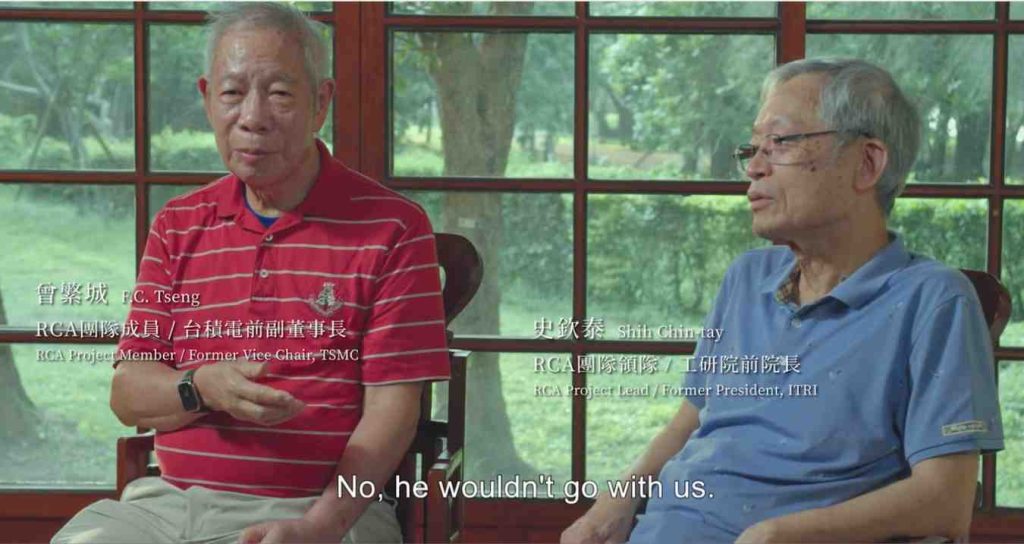
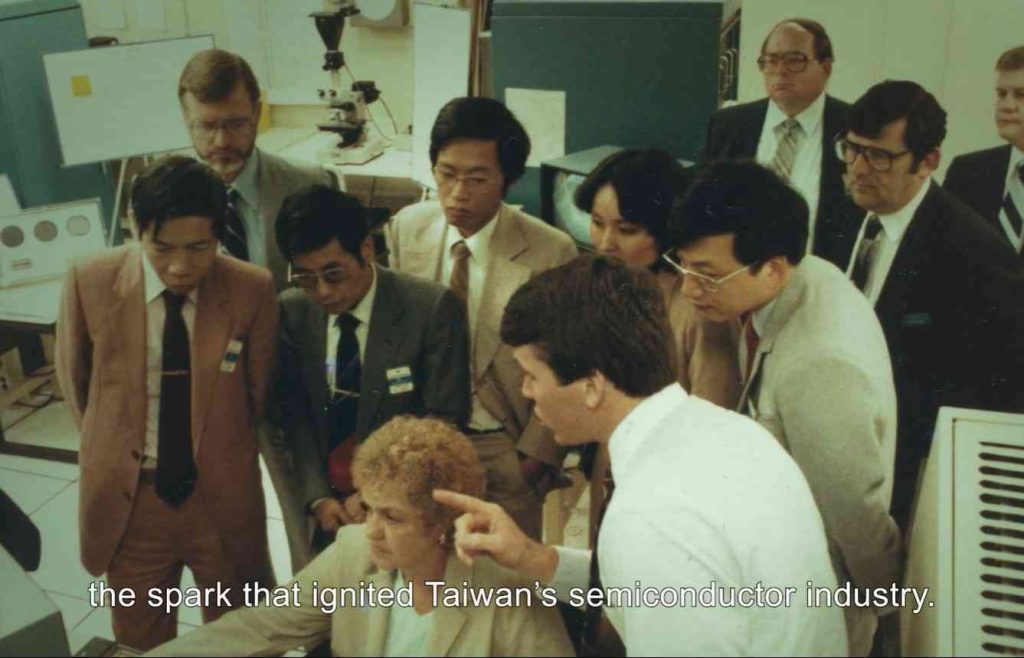 The film’s narrative goes beyond factories, fabrication processes, and technological milestones. It presents the human determination, sacrifice, and collective resolve that shaped Taiwan’s rise as a global chip manufacturing powerhouse. The story originated in 2019, when director Hsiao Chu-Chen drew inspiration from accounts shared during the memorial of semiconductor pioneer Hu Ding-Hwa. These recollections highlighted the efforts of Taiwanese engineers who travelled abroad to acquire advanced knowledge and returned with a strong sense of national purpose.
Their dedication helped lay the foundation for Taiwan’s emergence as a cornerstone of the global digital ecosystem. Directed by award-winning filmmaker Hsiao Chu-Chen and produced by industry veteran Ben Chen along with Oscar member Ben Tsiang, the documentary captures perspectives across generations, including early contributors, policymakers, scientists, technicians, and younger professionals navigating the industry’s future.
 The documentary also highlights Taiwan’s extraordinary position in the global technology race. Despite occupying less than 0.02 per cent of the world’s landmass, Taiwan has come to play a central role in advanced chip production, powering technologies ranging from consumer electronics and artificial intelligence to strategic defence systems.
At the roundtable, the speakers discussed how Taiwan’s semiconductor journey offered valuable lessons for countries seeking to develop their own high-technology ecosystems. For India, which has been making major efforts to attract semiconductor investment and build domestic capacity, the Taiwan experience was particularly relevant.
 The discussion also reflected on the risks created by concentrated supply chains and the need for trusted partnerships among technology-driven democracies. In this context, India–Taiwan cooperation was seen as an important area with significant future potential, particularly in talent development, research collaboration, manufacturing partnerships, supply-chain diversification, and broader engagement in critical technologies.
The event concluded with the larger message that semiconductors are no longer merely components of modern electronics; they are strategic assets shaping economic security, technological sovereignty, and geopolitical influence. Through A Chip Odyssey, the audience was offered both a historical account of Taiwan’s rise in the semiconductor industry and a timely reflection on the people, policies, and partnerships that will define the next phase of global innovation.