
New Delhi, India, August 18, 2025 — In recent years, a quiet yet powerful shift has been taking place in urban Indian households. Traditionally, daily soaps dominated the television screens of families, offering melodrama, family politics, and repetitive storylines. These shows were once an inseparable part of Indian living rooms, with generations bonding over episodes filled with tears, betrayal, and endless plot twists. However, a younger, more globalized generation is gradually replacing these conventional soaps with Japanese anime. What was once seen as “children’s cartoons” is now emerging as a serious entertainment preference among urban Indians.
One of the primary reasons behind this shift is storytelling. While Indian soaps often stretch a single plot for years, anime provides concise and impactful narratives. Each series, regardless of its genre, comes with a beginning, middle, and end, allowing viewers to experience a complete story without unnecessary extensions. This fresh approach resonates with young audiences who value time and prefer engaging plots that don’t drag endlessly. In contrast to soap operas that recycle family disputes, anime explores themes of friendship, courage, identity, loss, and hope, which strike a deeper emotional chord.
Another factor driving anime’s popularity is its diversity in genres. Unlike Indian soaps that are largely restricted to family dramas or romantic conflicts, anime spans a wide spectrum—action, fantasy, science fiction, slice of life, horror, comedy, and even psychological thrillers. Shows like Attack on Titan and Death Note attract viewers seeking suspense, while lighter series such as Your Name or My Neighbor Totoro appeal to those who enjoy warmth and emotion. This wide range ensures that there is an anime for everyone, from teenagers to working professionals, making it more inclusive than the conventional soap opera.
The influence of digital platforms cannot be ignored in this cultural transformation. With the rise of streaming services, anime has become more accessible to Indian audiences than ever before. Platforms like Netflix, Crunchyroll, and Amazon Prime have dedicated sections for anime, complete with subtitles and dubs, breaking down language barriers. In contrast, daily soaps remain largely confined to television schedules and often fail to capture the attention of urban youth who prefer on-demand viewing. For a generation raised on smartphones and streaming, anime’s flexibility fits seamlessly into their lifestyle.
Urban Indian youth also appreciate anime for its artistic depth. The striking animation, imaginative worlds, and symbolic storytelling present a stark contrast to the repetitive sets and costumes of daily soaps. Anime creators invest not only in characters but also in the visual universe, giving viewers a richer sensory experience. Even simple slice-of-life series carry a visual beauty that elevates ordinary situations, making them captivating to watch. This artistry appeals to the aesthetic sensibilities of an audience that values creativity and global culture.
Cultural relatability is another reason why anime has struck a chord. While soaps often mirror traditional Indian values of family duty and sacrifice, anime frequently emphasizes individuality, self-discovery, and resilience—values that resonate with urban Indians navigating modern challenges. Themes such as balancing tradition with modernity, overcoming societal pressures, and questioning authority mirror the realities of young professionals and students in cities. As a result, anime feels more personal and reflective of their lives compared to the outdated melodrama of soaps.
Anime also carries a sense of global belonging. Watching anime connects Indian fans to a worldwide community of enthusiasts. Online discussions, fan art, cosplay, and conventions have created cultural spaces that daily soaps simply cannot match. This global connection provides urban Indians with a sense of shared identity beyond borders, making anime not just entertainment but a lifestyle. Daily soaps, by contrast, remain restricted to a domestic audience with limited international appeal.
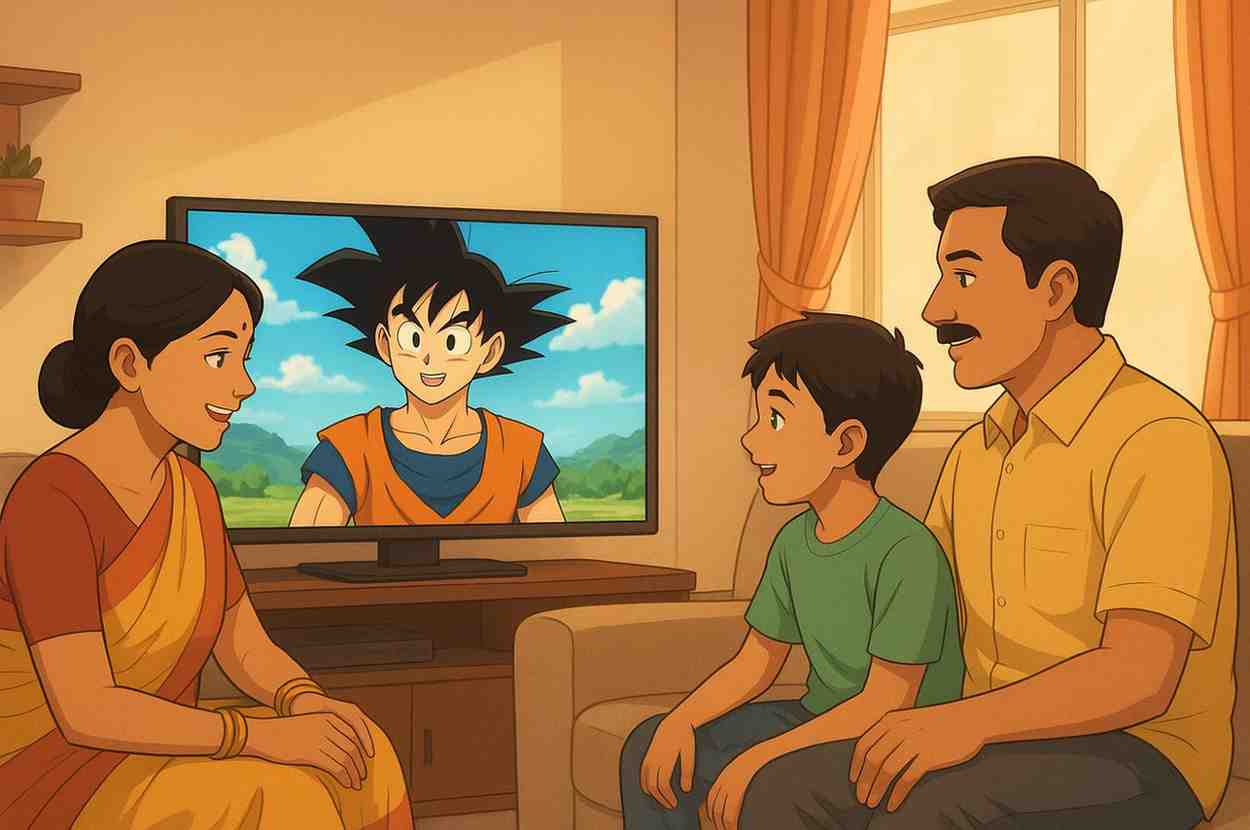
Parents, too, are beginning to embrace anime. While earlier they considered it as “kids’ cartoons,” many are now recognizing the depth of themes and life lessons within these shows. Titles like Naruto teach perseverance, One Piece highlights friendship, and Demon Slayer portrays family bonds—values that resonate across generations. In some urban homes, parents and children now watch anime together, creating new bonds of shared storytelling. This is slowly eroding the generational gap that daily soaps once occupied.
The growing acceptance of anime also reflects India’s cultural openness. Global influences—from Korean dramas to Western sitcoms—are changing entertainment patterns, and anime is part of this larger trend. By replacing soaps with anime, urban Indians are asserting their desire for content that challenges their imagination, introduces them to new cultures, and moves beyond repetitive tropes. It symbolizes a shift from passive consumption to active engagement with diverse forms of storytelling.
In conclusion, anime is replacing daily soaps in urban Indian homes not merely as an alternative but as a superior choice of entertainment. With its engaging narratives, artistic brilliance, global accessibility, and emotional depth, anime offers what soaps have long failed to deliver—freshness, relatability, and meaning. As this trend continues, Indian living rooms may no longer echo with the melodramatic dialogues of soap operas but instead with the vibrant, emotional, and inspiring stories of anime. This marks not just a change in viewing habits but a transformation in cultural taste.