

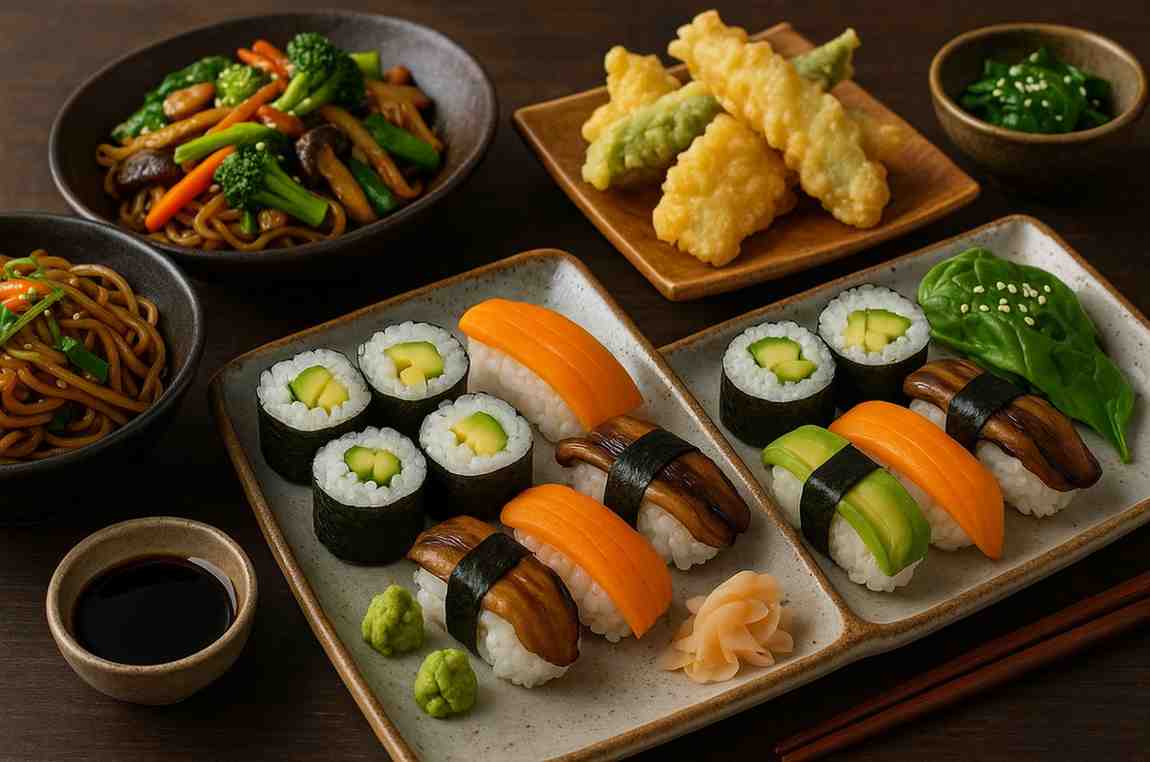
New Delhi, India, August 5, 2025 — In recent years, Japanese cuisine has found a special place in the hearts of Indian vegans. Known for its balance, simplicity, and focus on fresh ingredients, Japanese food offers a range of options that align perfectly with the Indian vegan lifestyle. While traditionally seen as seafood and meat-heavy, many classic and modern Japanese dishes have plant-based alternatives or naturally vegan components, making it surprisingly accommodating for those who avoid animal products.
One of the biggest attractions is the heavy reliance on vegetables, rice, noodles, and soy-based ingredients in Japanese cooking. Staples like miso soup, edamame, tofu stir-fries, seaweed salads, and pickled vegetables are not only nutritious but also inherently vegan. These dishes focus on umami flavors, which make them deeply satisfying even without the use of dairy or meat. This simplicity resonates with Indian vegans who are used to plant-based diets with complex spice profiles.
The use of tofu and soy products is another major reason Japanese cuisine appeals to Indian vegans. Tofu, whether grilled, stir-fried, or served cold, is a versatile source of protein and has long been a favorite in both countries. Japanese techniques for preparing tofu are often more subtle and highlight the texture and purity of the ingredient. Indian vegans appreciate this contrast, finding a refreshing change from the usual spicy gravies or fried options.
Sushi, perhaps Japan’s most famous culinary export, has evolved to suit vegan preferences as well. Vegan sushi rolls made with cucumber, avocado, pickled radish, and other vegetables are now commonly available in urban Indian restaurants. These rolls, often paired with wasabi, soy sauce, and pickled ginger, provide a light yet flavorful experience that many Indian vegans enjoy as a guilt-free indulgence.
Japanese cuisine’s focus on mindful eating and minimalism is another reason it appeals to the Indian vegan community. The idea of eating with awareness, focusing on the aesthetics of the food, and consuming seasonal ingredients aligns with traditional Indian philosophies such as Ayurveda and sattvic eating. This cultural synergy deepens the appreciation Indian vegans have for Japanese food and its values.
In metropolitan cities like Mumbai, Delhi, and Bengaluru, vegan-friendly Japanese restaurants and delivery services are flourishing. Chefs are increasingly experimenting with plant-based versions of classic dishes like ramen, tempura, donburi, and even mochi desserts. These innovations are welcomed by Indian vegans who seek variety without compromising their ethical or dietary beliefs.
Beyond restaurants, Japanese ingredients like miso paste, nori sheets, soba noodles, and sesame oil have also become popular in Indian kitchens. Many vegans now cook Japanese-inspired meals at home, blending the culinary wisdom of both cultures. The health benefits of fermented foods, light cooking methods, and balanced meals further motivate Indian vegans to adopt Japanese elements into their daily diets.
In conclusion, Japanese cuisine offers Indian vegans a unique culinary space where taste, health, and ethics converge. Its emphasis on fresh produce, soy-based proteins, and subtle flavors matches well with the growing demand for conscious, plant-based eating in India. As the cultural exchange between the two countries continues to thrive, it’s clear that Japanese food will remain a cherished favorite among Indian vegans for years to come.