
Building a Home Between Two Cultures
二つの文化の間に「居場所」を築くBy Tashi Ahlawat, 16

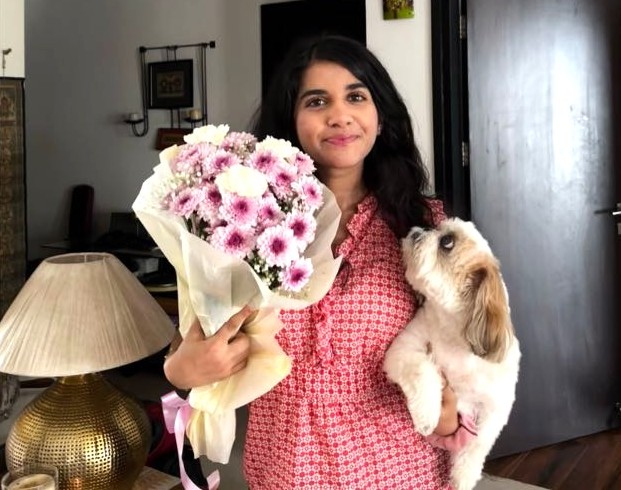
Tashi’s story is about discovering that belonging in a new country does not require abandoning one’s identity. It develops through listening, mutual adjustment, cultural exchange and everyday acts of kindness. While Japan taught her a quieter form of confidence, she also became an informal ambassador for India, enabling her friends to become part of her culture just as she became part of theirs.
At fourteen, I believed moving from India to Japan would be the greatest challenge of my life. Learning a new language and living away from my family for the first time were certainly difficult, but neither proved to be the hardest part.
The real challenge was learning how to belong.
My name is Tashi Ahlawat. I am now a 16-year-old International Baccalaureate student at Hiroshima Global Academy. More than a year ago, I left Gurugram, India, to attend a boarding school on Osakikamijima, a small island in Japan’s Hiroshima Prefecture.
With around 3,000 residents and no connection to the mainland except by ferry, the island could hardly have been more different from the city where I grew up.
In Gurugram, my grandparents lived with me, my neighbours were my closest friends, and there was always a familiar community to rely upon. Convenience was something I rarely had to think about. Groceries arrived within minutes, there were endless places to visit, and almost everyone around me looked and spoke like me.
Then, at fourteen, I travelled more than 5,000 kilometres to Hiroshima. Even after landing at the airport, reaching my school required a bus, a ferry and the island’s on-demand bus—a journey that felt endless compared with taking a taxi back home.
Hiroshima Global Academy has around 300 Japanese and international students who study, eat, live and share responsibilities together. I knew I was moving to another country, but I had not expected to encounter an entirely different way of living.
I soon discovered that loneliness does not always mean being physically alone. Sometimes, it is sitting in a room full of people and realising that you do not understand how they think—and that they do not understand you either.
Although many of my classmates spoke English, Japanese remained the main language around me. Unable to speak it initially, I often felt that conversations were taking place near me rather than with me. I began to understand that cultural adaptation cannot be mastered through books or language lessons alone. It happens through hundreds of small, sometimes uncomfortable, encounters.
Back home, teasing close friends was often an expression of affection. I once joked with a close friend at school in the same way, expecting her to laugh. Instead, she felt hurt, and we both left the conversation upset.
My first reaction was to wonder why she had misunderstood me. Later, I realised that I had been asking the wrong question: why had I expected her to understand?
That moment taught me that cultural differences are not problems to be settled by proving one side right. They are invitations to understand why another person sees the world differently.
I did not enjoy every stage of the transition. During my first few months, I often wondered whether I had made a mistake. I missed my family, the familiarity of home and the comfort of knowing how to behave without having to analyse every word or action.
Gradually, however, the island began to change for me. Somewhere between evening walks beside the calm Seto Inland Sea, conversations that became easier and wardens who began to feel like second parents, an unfamiliar place became another kind of home.
It offered freedoms I had never experienced in the same way. At night, stars stretched across the sky with a clarity I had never seen while growing up in a large city. I could walk around safely and experience the close-knit character of island life.
One afternoon, I forgot to reserve a seat on the island’s on-demand bus. In Gurugram, failing to find an Uber would simply mean opening another app. On Osakikamijima, it meant walking under the summer sun.
After about an hour, an island resident recognised my school uniform, stopped and insisted on driving me back to school. It was neither an isolated nor an unusual act. On an island this small, even strangers genuinely look after one another.
That sense of community also brought Mariko-san into my life. She is an opinionated, energetic 83-year-old woman who lives alone and has a voice louder than almost any Indian I have met. She became a dear friend, regularly inviting my friends and me to her home for tea and sweets.
Despite the differences in our nationalities, languages and generations, our conversations were filled with laughter. Our friendship taught me that meaningful human connections are not limited by age or background.
Japan also changed my understanding of confidence. Earlier, I thought being confident meant speaking first or being the loudest person in the room. Living here taught me another form of confidence: listening before speaking. I still laugh loudly and stand up for myself, but I have learned that silence can communicate too—and that sometimes it is an expression of respect.
While learning about Japan, I unexpectedly became an informal ambassador for India. Whenever I returned from home, my suitcase contained more than clothes and snacks. It was filled with mehendi cones requested by my classmates.
Applying mehendi while my friends searched for designs online became one of my favourite school traditions. Watching them compare patterns reminded me of Indian weddings and me.
14歳のとき、インドから日本へ移ることが、人生で最も大きな挑戦になると思っていました。新しい言語を学ぶことも、初めて家族と離れて暮らすことも、確かに簡単ではありませんでした。しかし、本当に難しかったのは、そのどちらでもありません。
最も難しかったのは、自分の居場所をつくることでした。
私の名前はタシ・アフラワットです。現在16歳で、広島叡智学園(Hiroshima Global Academy)の国際バカロレア課程で学んでいます。1年以上前、私はインドのグルグラムを離れ、広島県の小さな島、大崎上島にある全寮制の学校へ進学しました。
人口約3,000人、本土との交通手段はフェリーだけ。この島は、私が育った都市とはあまりにも異なる場所でした。
グルグラムでは祖父母と一緒に暮らし、近所の友人たちは私の親友でもありました。いつでも頼ることのできる、慣れ親しんだ地域社会がありました。食料品は数分で自宅に届き、出かける場所には事欠きません。周囲の人々は私と同じような外見を持ち、同じ言葉を話していました。にぎやかな都市でしたが、私にとっては安心できる、心地よい場所でした。
14歳になった私は、そこから5,000キロ以上離れた広島へ向かいました。空港に着いた後も、学校まではバス、フェリー、さらに島内の予約制乗合バスを乗り継がなければなりません。故郷でタクシーに乗るのとは比べものにならないほど、長い道のりに感じられました。
広島叡智学園では、約300人の日本人および海外出身の生徒が共に学び、食事をし、生活し、さまざまな役割を分担しています。私は外国へ行くことは分かっていましたが、生活のあり方そのものがこれほど違うとは想像していませんでした。
孤独とは、必ずしも一人でいることではありません。大勢の人に囲まれながら、相手の考え方が理解できず、相手も自分を理解していないと気づくときにも、孤独を感じることがあります。
クラスメートの多くは英語を話せましたが、周囲で主に使われていたのは日本語でした。当初、日本語を話せなかった私は、会話の中にいるというより、会話が自分の周りを通り過ぎていくように感じていました。
異文化に適応する方法は、本や語学の授業だけでは学べません。何百回もの小さな、時には居心地の悪い経験を重ねながら、少しずつ身につけていくものなのです。
インドでは、親しい友人をからかうことが愛情表現になる場合があります。私は学校でも、仲の良い友人に同じ感覚で冗談を言い、笑ってくれると思っていました。しかし、彼女は傷つき、私たちは二人とも嫌な気持ちのまま会話を終えました。
最初、私は「なぜ彼女は分かってくれないのだろう」と考えました。しかし、その後、自分が間違った問いを立てていたことに気づきました。
「なぜ私は、彼女が分かって当然だと思ったのだろう?」
この出来事から、私は忘れることのできない教訓を得ました。文化の違いは、どちらが正しいかを証明して乗り越えるべき問題ではありません。それは、相手がなぜ自分とは異なる見方をするのかを理解するための招待状なのです。
私は、日本での生活のすべてを楽しめたと装うつもりはありません。最初の数カ月は、「ここへ来たのは間違いだったのではないか」と何度も考えました。家族が恋しく、故郷の親しみやすさが恋しく、自分の言動を一つひとつ考えなくても自然に振る舞える安心感が恋しくなりました。
それでも、少しずつ島に対する感じ方が変わっていきました。穏やかな瀬戸内海を眺めながら歩いた夕暮れ、次第に自然になっていった友人との会話、そして第二の両親のように感じられるようになった寮のスタッフ。そうした日々の間に、見知らぬ場所だった島は、別の形の「故郷」になっていきました。
島での生活は、これまで知らなかった自由も与えてくれました。夜には、大都市で育った私が見たことのないほど鮮明に、星々が空一面に広がります。安心して歩き回ることができ、島の人々の強い結びつきを実感できる生活でした。
ある夏の日、私は島の予約制乗合バスの席を予約し忘れました。グルグラムなら、Uberが見つからなくても別のアプリを開けば済みます。しかし、大崎上島では、炎天下を歩いて帰らなければなりません。
1時間ほど歩いたところで、ある島民の方が私の制服に気づき、車を止めて学校まで送ると言ってくれました。それは特別なことでも、一度きりの出来事でもありませんでした。この小さな島では、見知らぬ人同士であっても、本当に互いを気遣っているのです。
島の温かなつながりは、マリコさんとの出会いももたらしてくれました。彼女は一人暮らしをしている83歳の女性です。自分の意見をしっかり持ち、年齢の半分ほどの人よりも元気で、私が出会ったほとんどのインド人よりも大きな声で話します。
マリコさんは大切な友人となり、私たちをよく自宅へ招き、お茶とお菓子でもてなしてくれました。国籍、言語、世代が異なっていても、会話はいつも笑いに満ちていました。マリコさんとの友情は、人と人との真のつながりは、年齢や背景によって制限されるものではないと教えてくれました。
日本での生活は、私にとっての「自信」の意味も変えました。以前は、誰よりも先に発言し、その場で最も大きな声を出すことが自信だと思っていました。しかし、日本で暮らしたことで、別の形の自信を学びました。それは、話す前にまず相手の言葉を聞くことです。
今でも私は大きな声で笑い、自分の意見をはっきり伝えます。しかし、沈黙もまた何かを語り、時には相手への敬意を表すことを知りました。
日本について学ぶ一方で、私はいつの間にかインドの非公式な文化大使にもなっていました。インドから学校へ戻るとき、私のスーツケースに入っているのは衣服やお菓子だけではありません。クラスメートから頼まれた、たくさんのメヘンディのコーンも詰まっています。
友人たちがインターネットでデザインを探す傍ら、私がメヘンディを施す時間は、学校で最も好きな習慣の一つになりました。完成した模様を見せ合う友人たちの姿を見ると、インドの結婚式やメーラーの季節を思い出します。
私たちは一緒にディワリを祝い、私はバターチキンだけではない、多彩なインド料理を紹介しました。
ある晩、親友が3時間にも及ぶサンギートの映像を見ているところに出会いました。驚いた私は、なぜそれを見ているのか尋ねました。彼女は真顔でこう答えました。
「将来に備えておきたいから。あなたの結婚式のためにね」
私は思わず大笑いしました。しかし、その冗談の奥には、もっと深い意味がありました。彼女はもう、単なる好奇心からインド文化について学んでいたのではありません。私の未来の中に、自分自身がいることを思い描いていたのです。
適応していたのは私だけではないと、そのとき気づきました。私が日本の習慣を学ぶ一方で、友人たちはインド文化について学んでいました。私が彼女たちに合わせたのと同じように、彼女たちも私に歩み寄ってくれていたのです。その互いの努力が、かつては距離を生んでいた違いを、友情へと変えていきました。
茶道や花まつり、島の人々との餅つきを経験するうちに、最初は異質に感じられた日本の伝統が、次第に親しみのあるものになりました。それと同時に、私はインド人であることに誇りを持ち続け、自分を形づくってきた文化を周囲の人々と分かち合いました。
日本人やさまざまな国から来た生徒との寮生活では、授業が終わっても文化の違いは消えません。朝食、掃除、勉強、エアコンの温度をめぐる言い争い、寮のルールを決める場面など、生活の至るところに現れます。
毎日、誰かの異なる考え方と向き合うことを求められる環境では、自分だけの殻に閉じこもり続けることはできません。だからこそ、一つひとつの誤解が、コミュニケーションについて学ぶ新たな機会になりました。
島に来たばかりの頃、私は慣れないものばかりに目を向けていました。今では、道ですれ違うと手を振ってくれる島の人々、海辺の穏やかな夕暮れ、そして1年前には不可能に思えたのに、今では自然に交わせるようになった会話に気づきます。
何より、自分自身がどれほど変わったかに気づきます。
世界を越えて移り住んだ経験は、二つの文化のどちらか一方を選ぶよう私に迫るものではありませんでした。相手が自分と同じであることを期待するのをやめ、その人がどのように世界を見ているのかに興味を持ったとき、初めて本当の理解が始まるのだと教えてくれました。
今でもインドが恋しいです。家族も、街の活気も、混沌も、故郷の慣れ親しんだ空気も恋しくなります。しかし同時に、広島のこの小さな島が、静かに私の一部になったことも分かっています。
私は国際教育を受けるために日本へ来ました。しかし、ここで見つけたものは、それ以上に価値のあるものでした。
第二の故郷、より広い視野、そして「居場所」は一晩で見つかるものではないという理解です。
居場所とは、一つの会話、一つの誤解、一つの親切、そして一つの共有された伝統を積み重ねながら、自分たちで築いていくものなのです。