
Tata–PSMC Semiconductor Plant in Dholera Advances Rapidly; Civil Work Nears Halfway Mark
However, there are certain structural challenges beyond the factory gates. The pace of development of civic and social infrastructure in the wider Dholera region is not keeping pace with the plant's rapid development.

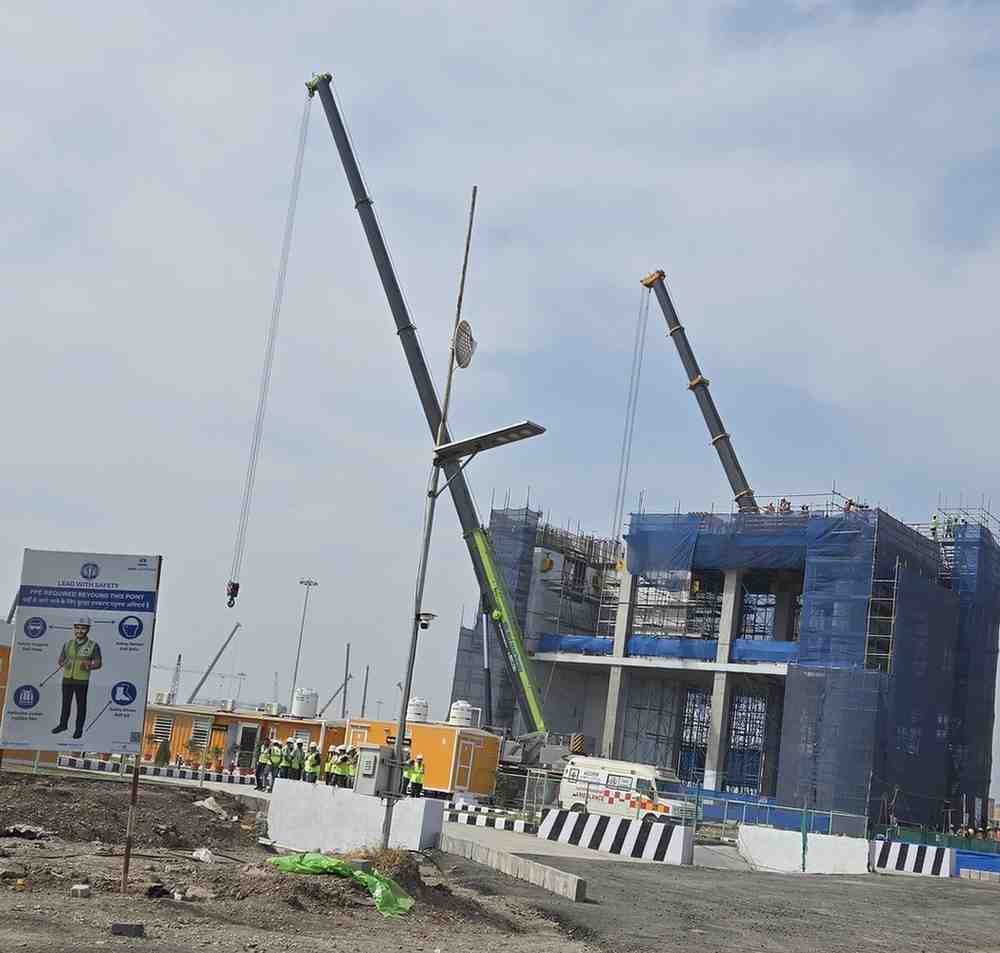
Dholera (Gujarat) – Work on the upcoming Tata–PSMC semiconductor fabrication plant in Gujarat’s Dholera Special Investment Region (SIR) is progressing at a fast pace, with nearly half of the civil construction already completed, according to officials who briefed a visiting Japanese delegation recently.
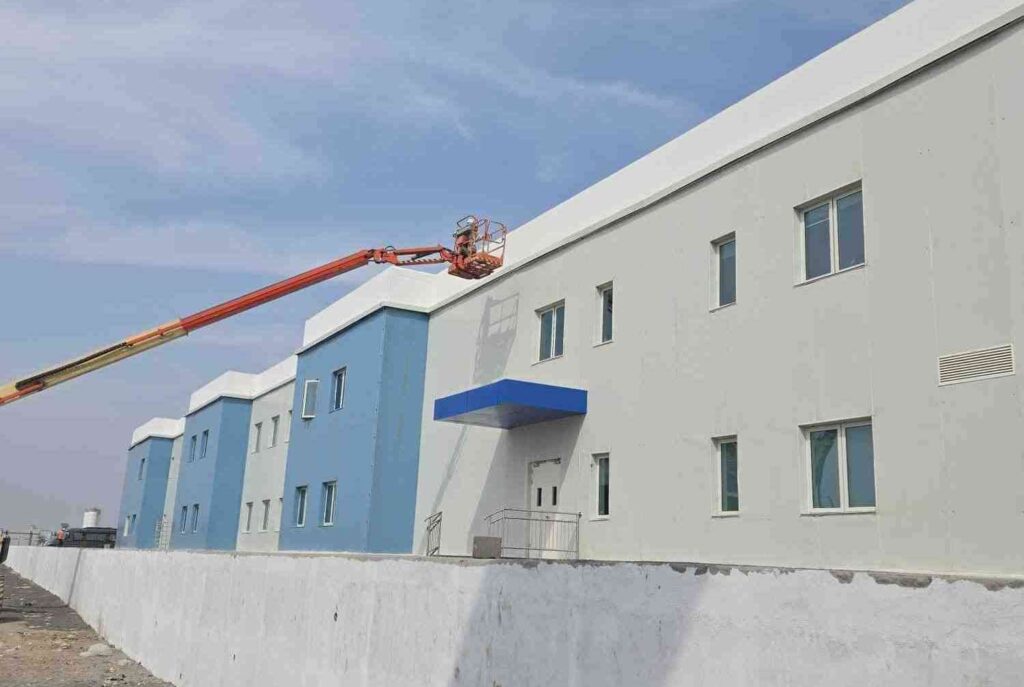
The horizon of the Dholera Special Investment Region (SIR) in Gujarat is no longer defined by empty salt flats, but by the rapid ascent of steel and concrete. At the heart of this transformation is the Tata-PSMC semiconductor plant, a project moving at a “fast-track” velocity rarely seen in large-scale infrastructure. This single project represents a landmark ₹91,000 crore investment.
This facility represents the vanguard of India’s semiconductor ambitions, a sector that has recently received a massive boost from the state government with a specialised ₹15 crore security grid—a “digital fence” of AI-driven surveillance designed to protect the high-stakes manufacturing zone.
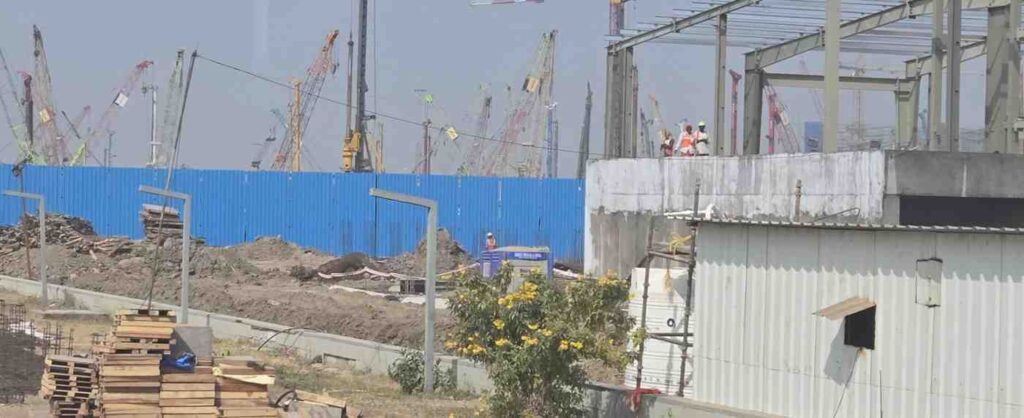
Recent assessments from technical experts and the steady hum of on-ground activity confirm that the project has reached a critical tipping point. It was found that 45% of the civil construction work is already complete. This is a monumental feat, as semiconductor fabrication units require incredibly complex foundations to support vibration-sensitive equipment and massive cleanroom environments. This progress aligns with the Gujarat government’s broader commitment to ensure all core infrastructure in the region is ready by June 2026.
The Tata–PSMC joint venture fab is emerging as a cornerstone of India’s semiconductor ambitions and a key anchor project within the Dholera SIR, which has been positioned as a future electronics and advanced manufacturing hub. The facility is expected to catalyse a significant supply chain ecosystem, with around 800 vendor companies and OEM suppliers projected to operate in and around the plant upon full operationalisation. In the middle of finalising the supply chain component, the company has so far selected major vendor companies.
These vendor companies are likely to come largely from Taiwan, Japan, the USA, and some of the European nations. Japanese companies are showing a great amount of interest in the project and are likely to play a pivotal role in supporting the production process.
Officials informed the delegation that the project is also steadily building its workforce. The plant is expected to generate around 2,000 direct jobs, of which approximately 500 employees have already been onboarded, signalling early operational readiness even before core manufacturing begins.
The government authorities have uploaded aerial photos of Dholera SIR and a virtual tour of the region on its official website: https://dholera.gujarat.gov.in/. Access from Japan, Taiwan, and other East Asian nations, as well as from ASEAN, has also been opened to foreign investors.
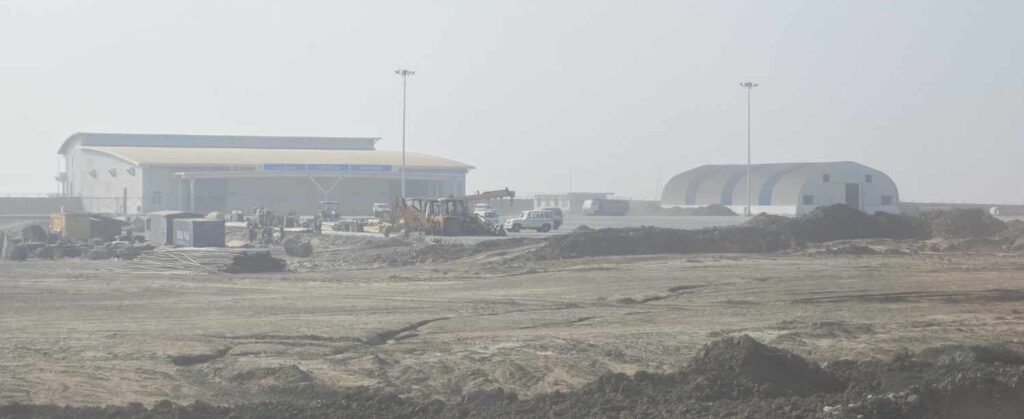
However, there are certain structural challenges beyond the factory gates. While the semiconductor plant itself is advancing on a fast track, the pace of development of civic and social infrastructure in the wider Dholera region—such as housing, healthcare, mobility, and urban amenities, as well as the airport—was seen as not keeping pace with the plant’s rapid progress.
Sources described this mismatch as a “moderate concern,” especially given the scale of workforce and supplier ecosystems expected to converge in the region.
The cargo terminal of the upcoming airport is claimed to be operational from June 2026. The authorities, however, claim that certain structures, such as runways, connecting expressways, the main terminal building, and the fire station, are ready; a great deal of work still remains pending. It raises concerns about the June 2026 deadline, and the on-site work needs to be expedited a bit further.
Despite these concerns, the overall sentiment around the project remained positive, with stakeholders emphasising the strategic importance of the Tata–PSMC fab for India’s semiconductor self-reliance and global supply chain diversification. The first phase of production at the facility is currently targeted to commence by the end of 2026, marking a major milestone in India’s long-awaited entry into large-scale chip manufacturing.
Dholera Airport Cargo Terminal Faces Uphill Task to Meet June 2026 Deadline: As Gujarat’s ambitious Dholera Special Investment Region (SIR) hurtles toward its vision as India’s first greenfield smart city, the spotlight falls on its pivotal Dholera International Airport. Authorities insist the cargo terminal will swing into operation by June 2026, but a ground-level scrutiny reveals a stark disconnect between official optimism and on-site realities, raising doubts over the timeline.
The government agency officials have reaffirmed that key civil structures—including the 3,800-meter runway, cargo terminal, fire station, administrative block, air traffic control (ATC) tower, and aircraft hangars—are “almost ready” and are nearing completion.
The ₹1,300 crore project, integral to the Delhi-Mumbai Industrial Corridor, promises to handle 5 million passengers annually by phase two.
Yet, a recent site visit paints a different picture. By late January, the runway—crucial for initial cargo flights—remained partially incomplete, with large stretches lacking the final asphalt layering and grooving. Massive earthmover fleets idled amid patchy activity, signalling sluggish machinery mobilisation. Ground levelling and cementing across vast apron areas trailed far behind, exposing unfinished foundations vulnerable to the region’s monsoon-prone weather. Compounding woes, the vital expressway link from the National Highway remains severed.
Also read: Japanese Industry Leaders Visit Dholera SIR to Review Ground Progress