Ten Korean Companies Reach India to Promote K-Seafood
KAMA India, on behalf of OKTA, the Ministry of Oceans and Fisheries and the Korea Fisheries Association, hosts B2B networking in New Delhi, linking Korean exporters with Indian seafood importers and suppliers

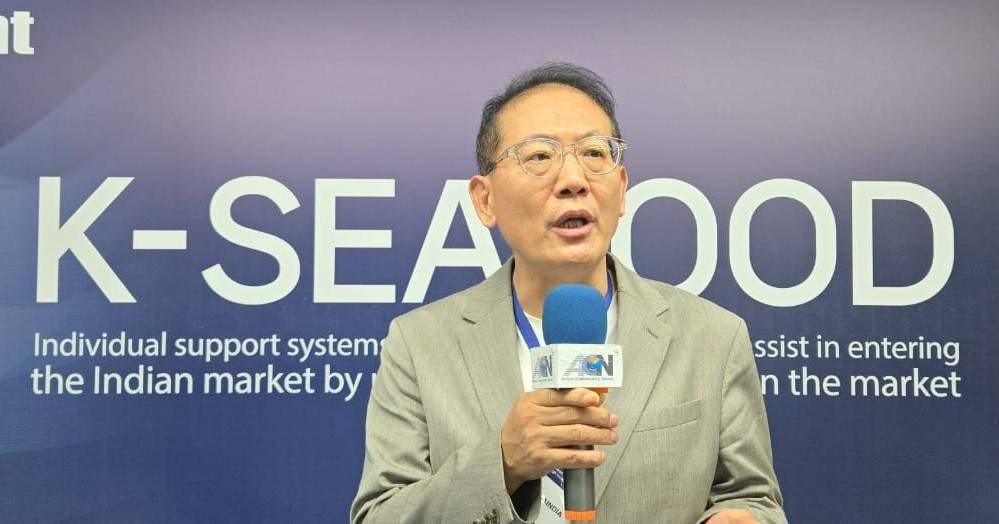
New Delhi, India – Ten Korean seafood companies visited India to promote Korean Seafood at a focused Business Networking Event in New Delhi, where Indian seafood importers, wholesalers, and suppliers met with Korean producers for product briefings, tasting sessions, and one-to-one business matching. The showcase was organised by KAMA India, deputed by the Overseas Korean Traders Association (OKTA), to open new supply channels and long-term distribution partnerships in the Indian market.
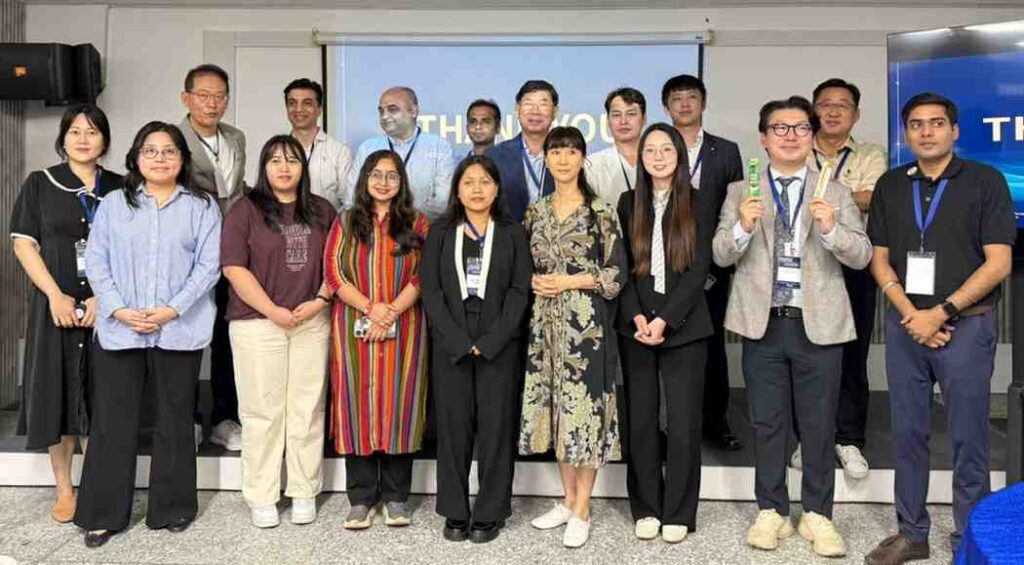 Organised at the IBS Centre, the event was supported by the Korean Ministry of Oceans and Fisheries and the Korea Fisheries Association. SEO Young Doo, Executive Director, OKTA, Lim Tae Han, CEO, & Rinyami, Director, BRICS INDIA TRADE PVT. LTD, and Yukyoung Lee Kelly, Director of OKTA were also present on the ocsasion.
In product demonstrations and table-top tastings, the Korean delegation highlighted a broad portfolio designed for India’s retail, HoReCa and gourmet segments—roasted and seasoned laver (gim) and seaweed snacks; dried anchovy and kelp for stocks; squid and octopus (frozen and processed); value-added fish products and condiments; and ready-to-cook/ready-to-eat lines suitable for modern trade and e-commerce.
The ten participating firms were Chungnam Laver Fisheries Cooperative; Summaul Corporation; Wando Da Fishery Corporation; Goremi Co., Ltd.; Dalmda Food; Haeyeareum Co., Ltd.; Wooju Food Co., Ltd.; Haedamsol Co., Ltd.; Hey Kim; and Hanwool Food.
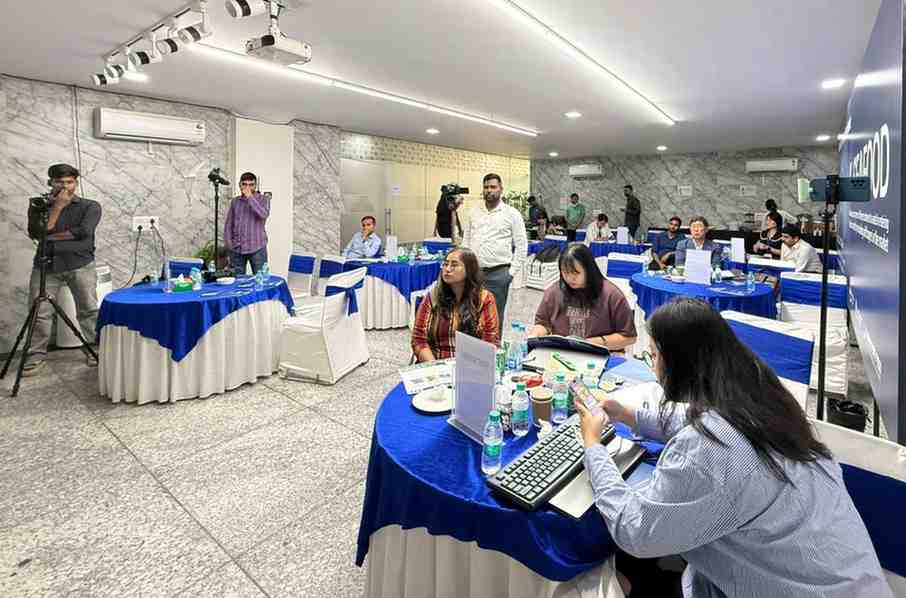
Building Bridges Between Korea and India: The event drew participation from several Indian seafood importers, wholesalers, and suppliers, who engaged in one-on-one business networking sessions with the Korean companies. Discussions focused on pricing structures, consumer preferences, distribution strategies, and long-term partnerships.
CEO Youngjin Noh of KAMA Group, which managed the event through its India subsidiary, said the initiative underscored the potential of Korea–India trade cooperation in the food sector. “India’s hospitality and retail sectors are expanding rapidly, and there is strong demand for premium, diverse, and sustainable seafood. Korean suppliers are well-positioned to meet this demand, and KAMA India will continue to act as a bridge for long-term collaborations,” he noted.
The Business Networking Event – K-Seafood reflects Korea’s broader strategy of promoting its seafood exports globally while tapping into India’s fast-growing consumer base. With rising interest in Korean cuisine, K-Seafood is expected to find increasing acceptance in Indian restaurants, hotels, and retail chains.
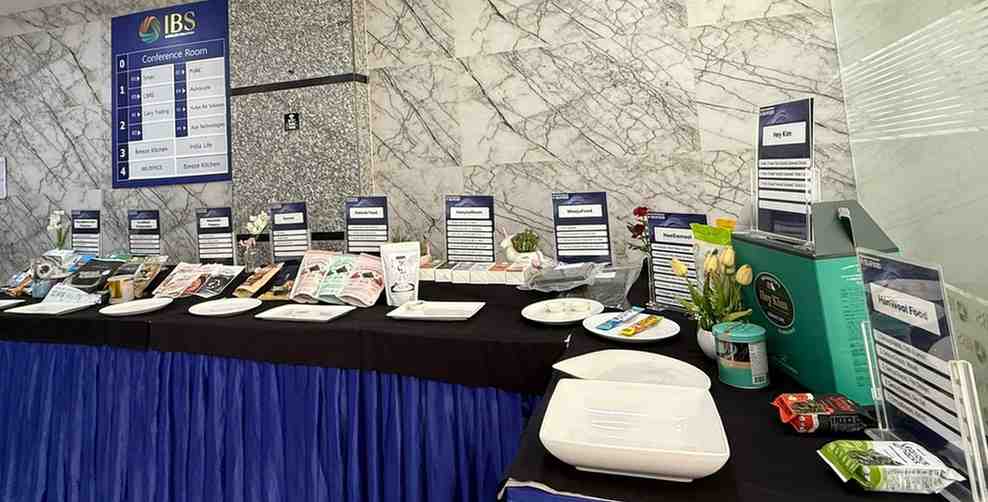
The event concluded with positive commitments from both sides to explore new trade agreements and supply partnerships, setting the stage for stronger cooperation between Korea and India in the seafood industry.
What the event delivered:
Direct buyer–seller connections: Indian importers and distributors explored SKUs, MOQs, pricing bands, and logistics, aligning Korean offerings with Indian demand cycles (festive, hotel banquet, modern trade promotions).
Compliance and market fit: Discussions covered shelf life, packaging formats (retail vs. food service), FSSAI documentation, and cold-chain requirements for frozen lines alongside ambient seaweed products.
Route-to-market mapping: Korean suppliers evaluated India entry options—master distributor, regional distribution, and private-label opportunities—while Indian buyers assessed portfolio gaps K-Seafood can fill (premium snacks, sushi/roll ingredients, ramen toppings, stocks/seasonings, and appetiser platters).
Indian buyers have noted a growing consumer curiosity for Korean flavours and the steady expansion of Asian cuisine in QSRs, cloud kitchens, and premium retail—trends that position K-Seafood as a timely addition to India’s seafood basket. With strong interest registered during B2B meetings, both sides agreed to pursue follow-up sampling, pricing confirmation and pilot orders in the coming weeks, signalling momentum for deeper Korea–India seafood trade ties.
10 participating Korean companies and the product ranges they showcased for Indian buyers:
-
Chungnam Laver Fisheries Cooperative (Suhyup) — Roasted/seasoned laver (gim) sheets and snack packs for sushi/kimbap and retail.
-
Summaul Corporation — Assortment of dried seafood pantry items (e.g., laver/kelp, soup bases) prepared in India-ready retail packs.
-
Wando Da Fishery Corporation — Premium seaweed (miyeok/kelp) and related dried/frozen items geared to HoReCa and gourmet retail.
-
Goremi Co., Ltd. — Value-added seafood & condiments (salted/seasoned lines) for Korean cooking and fusion menus.
-
Dalmda Food — Processed seafood snacks/RTE products positioned for modern trade and e-commerce.
-
Haeyeareum Co., Ltd. (HYR Salt) — Specialty sea salts & seasonings curated for seafood and table use; retail and bulk.
-
Wooju Food Co., Ltd. — Seaweed snacks and sushi/roll laver, plus select frozen/processed SKUs for food service.
-
Haedamsol Co., Ltd. — Processed seafood & RTC/RTE packs and sauces for quick preparation in Indian kitchens.
-
Hey Kim — Premium gim (seaweed) snacks and sheets aimed at healthy snacking and culinary use.
-
Hanwool/HN Food — Frozen fish & seafood-based sauces, tailored for distributors serving hotels and premium retail.