Usay and Musa: Melodious Voices of Taiwan’s Indigenous and Global Harmony create Buzz in India
EXCLUSIVE INTERVIEW: Amis singer Usay and Argentine-born jazz artist Musa share their journeys of heritage, migration, and music that bridges cultures, ahead of their debut performance in Delhi.

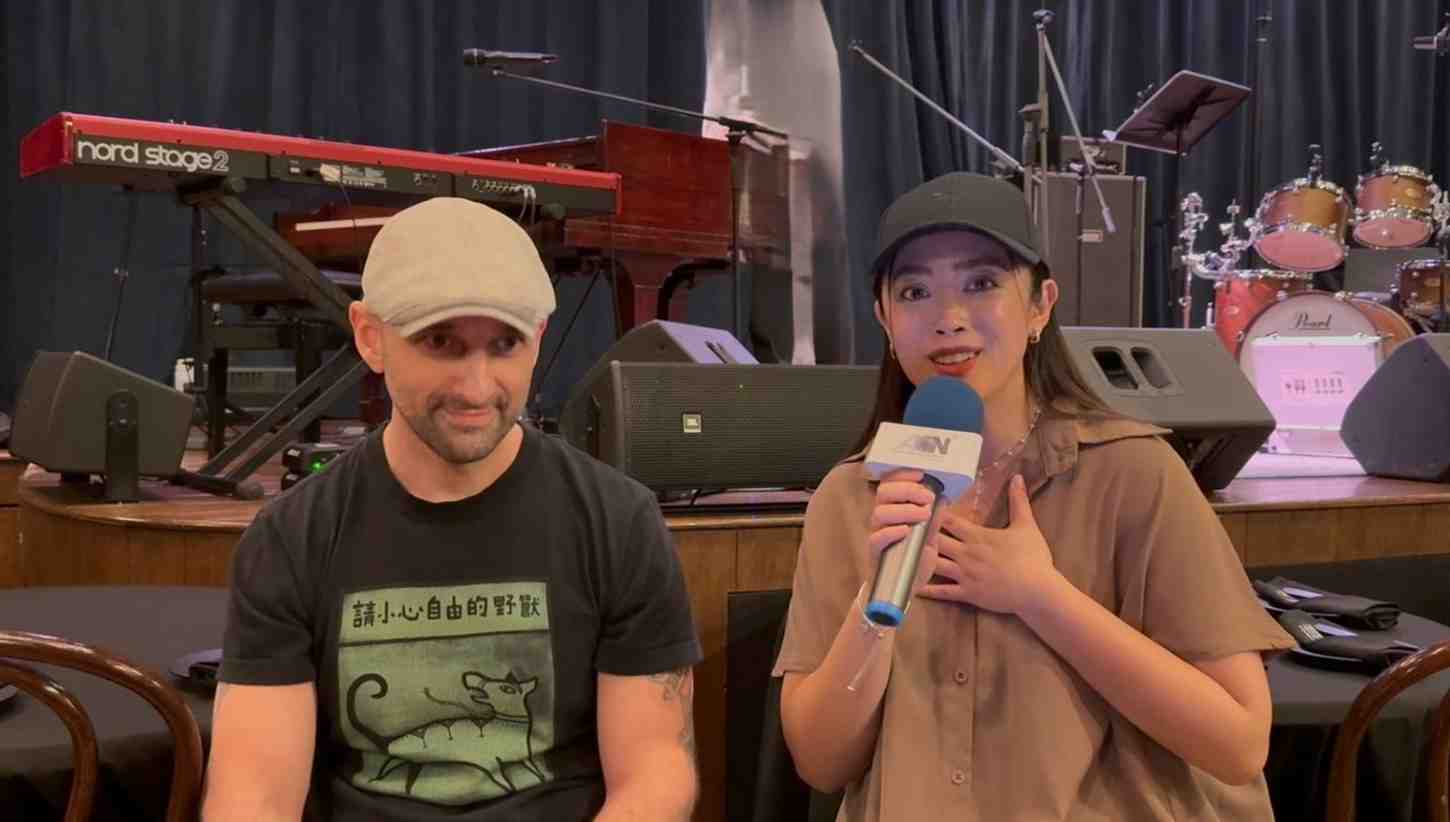
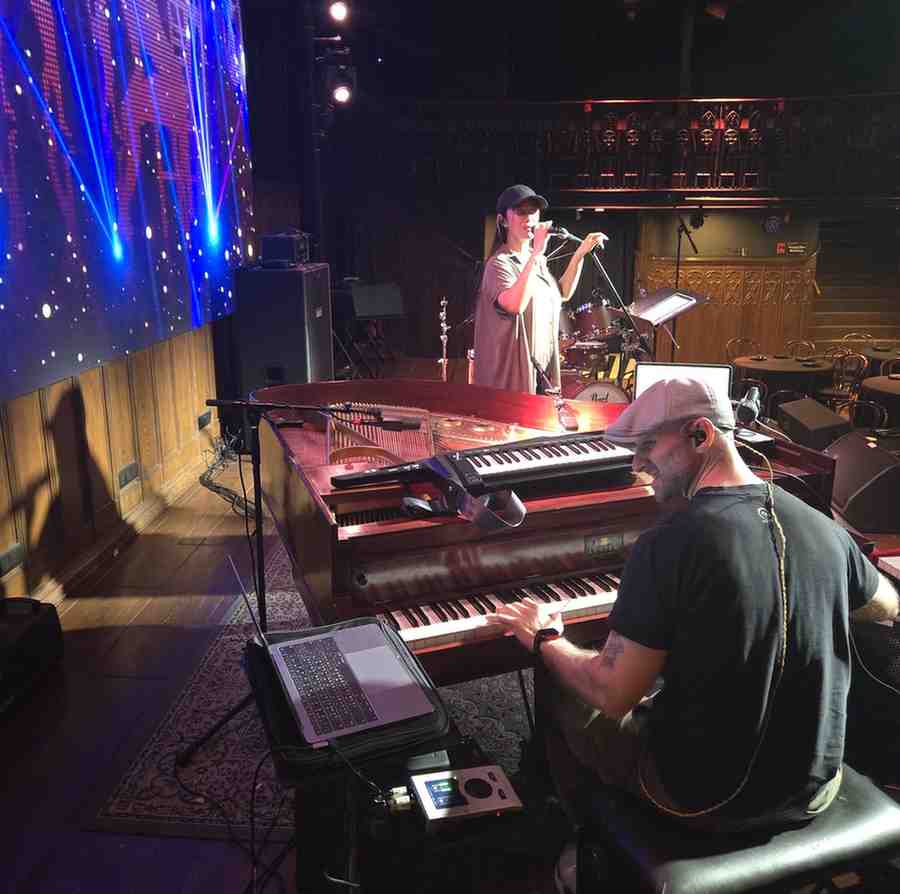
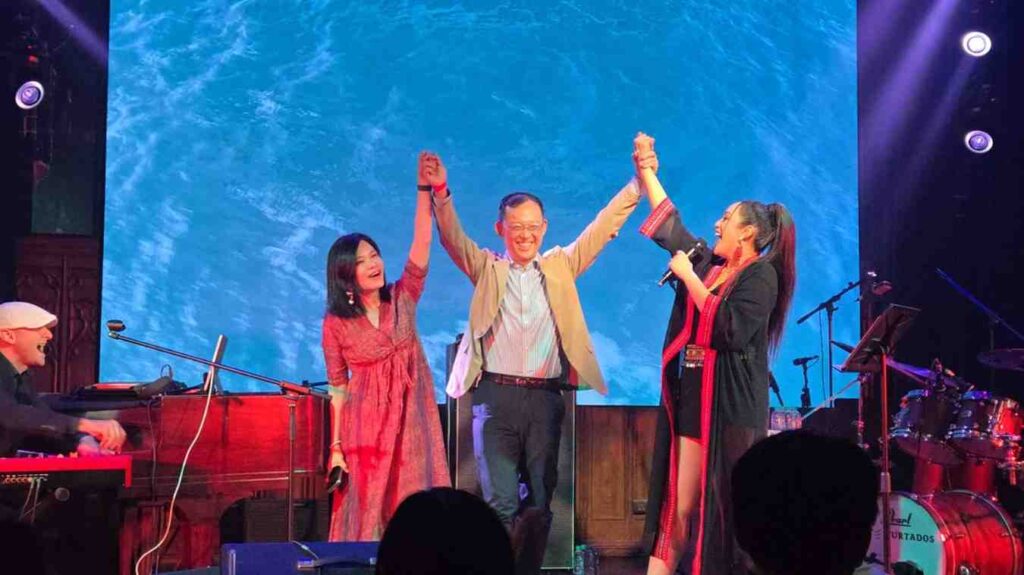
In an exclusive interview with ACN Network, Taiwanese Amis singer Usay and Argentine-born jazz artist Musa shared their journeys and inspirations in a joint interview. Both were in New Delhi recently when the duo performed at Bharat Mandapam during the launch of the Taiwan Expo on September 25, followed by a full-scale concert, Taiwan Indigenous Music Night, the following evening at The Piano Man (Eldeco Centre), New Delhi.
Usay, winner of the 2024 Golden Melody Award for Best Indigenous Language Singer, spoke of her deep ties to Hualien’s mountains and seas, which shape her emotive fusion of ancestral songs with modern sounds. Musa, acclaimed for his 2018 Golden Indie Award-winning hit “Dreamer’s Blues,” described Taiwan as a home defined by kindness and collective spirit. Both emphasised cultural preservation, cross-cultural exchange, and platforms for Indigenous and multicultural creativity. Their Delhi performance sought to showcase Taiwan’s diverse musical identity.
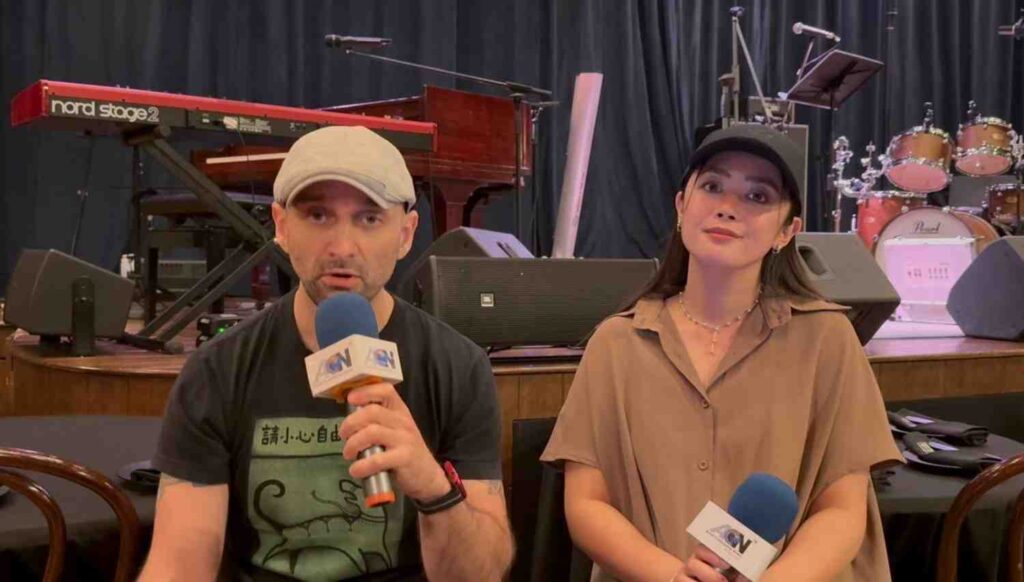 Usay, you are from Hualien, Taiwan, a place surrounded by mountains and the ocean. How have these natural landscapes influenced your music?
When I was a child, I grew up in a tribe where both the mountains and the sea gave me a sense of security. My music stems from the journey of life itself — nature and ancestral songs are an integral part of who I am. We can sing like the mountains, sing like the sea. I hope my music will be as strong as the mountains, and just as the waves never stop crashing against the shore, my singing will never cease.
Both Taiwanese Indigenous music and Indian traditional music emphasise a deep connection with the land and community. What commonalities do you see between the two?
The land and the people are indeed powerful points of connection. For us, the relationship with the land and nature is one of coexistence — everything has a spirit, which inspires different ways of thinking about living together. As for our people, because our languages are non-mainstream, there is a stronger mission to preserve culture, traditions, and rituals.
Musa, you are initially from Argentina. What made you decide to immigrate to Taiwan, and what do you find most attractive about Taiwan?
A Taiwanese producer spotted my band, and he hired me with a contract, and that’s how I discovered Taiwan. From here, my wife and I, who are also from Argentina, fell in love with the island and its people. Then we decided to stay here. Basically, it’s all about the people of the island. I travel all over the world, but it’s hard for me to find more warm-hearted and kind-hearted people than the Taiwanese.
Musa, as someone who has put down roots in Taiwan as an outsider, how do you view your integration with the culture?
I learnt a lot in East Asia, particularly in Taiwan, where “us” is everybody. I come from the West, where “I” was the most important thing. If I were to listen to loud music on the bus or subway, I would do that (without caring for others). However, if you are in Taiwan, I believe the peace can come from the outside, from everybody. So you take the subway, and it is very peaceful. So, we learnt that “us” is as important as “I” in Taiwan.
How do you both see Taiwan’s music environment in terms of supporting Indigenous and multicultural creativity?
Today’s approaches to music-making and social platforms are already very diverse. It’s easier than ever to learn and produce music. When it comes to support, we hope for more than just government policies — we also hope for increased music festival platforms, educational outreach, media coverage, and even cross-disciplinary collaborations that allow Indigenous and multicultural music to be seen and heard by more people, thereby helping to preserve and promote culture. Of course, regardless of how the environment changes, the most important thing is still the cultures themselves — the traditions, rituals, and languages of each community. Their power of preservation is the most valuable treasure.
What was the opportunity that brought you to perform in Delhi this time?
I have always looked forward to performing around the world. This time, it is a great honour to come to India with Musa. It is also my very first time performing in Delhi. I am truly excited and grateful for the invitation from the Cultural Division of the Taiwan Representative Office in India.
Music often transcends language barriers. What message do you hope the audience in India will take away from tonight’s performance?
It’s true that language can create different interpretations of meaning, but I firmly believe that “music knows no borders.” Indigenous music does not simply convey the content of songs — it conveys ancestral wisdom that nourishes the soul. Tonight, we also hope to share the beauty of Taiwan’s multiculturalism with everyone.
What does “Indigenous identity” represent in Taiwan’s music to you?
I once heard a beautiful saying: “Indigenous peoples are the gentlest reminder before the end of the world.” I think Indigenous identity in music is the finest imprint left upon this land.
Would you consider incorporating Indian musical elements into your future creations?
Absolutely. I’m very interested in that. The blending of cultures and communities through music is something I’ve always wanted to do.
If you had to describe tonight’s musical journey in one sentence, how would you put it?
When we chant the deep lows and soaring highs of traditional songs, it is like the rising and falling of Taiwan’s mountains; when we hold hands and sway together, it is like the waves of Taiwan’s ocean; when we move freely with the rhythm, it is like the lives that grow freely on Taiwan’s land.
Know the artists:
Usay, an Amis singer and stage actress from Hualien, is one of the foremost figures in contemporary Taiwanese Indigenous music. Known for her emotive voice and a deep connection to her Amis heritage, Usay artfully blends traditional and modern sounds to create a unique musical experience. With her captivating stage presence, she masterfully weaves stories of tribal life and personal experiences into her music, allowing listeners to immerse themselves in the allure of the Amis culture. Her music incorporates traditional instruments such as bamboo bells, jaw harps, horns and hand drums, seamlessly blending with contemporary elements. In 2024, she was honoured with the Best Indigenous Language Singer Award at the prestigious 35th Golden Melody Awards.
MUSA, hailing from Argentina and now a naturalised citizen of Taiwan, is an internationally recognised musical talent. He became a prominent figure in Taiwan’s music scene after winning the Best Jazz Single Award at the Golden Indie Music Awards in 2018 for his hit “Dreamer’s Blues.” Known for his deep versatility across genres and his ability to blend diverse cultural sounds, MUSA continues to bridge traditions with modern musical expressions. His work spans jazz, fusion and contemporary genres, making him a truly global artist. He has been nominated multiple times for both the Golden Melody Awards and the Golden Indie Music Awards in categories like Best Composer and Best Producer.