IFOR Charts Sri Lanka Journey, Pushes Rivers as Asia’s Cultural-Ecological Lifeline
International Festival of Rivers Global Conclave 2026 positions Sri Lanka as the next launchpad for a pan-Asian river conservation corridor covering Japan, South Korea, Taiwan, Malaysia, and Indonesia.

New Delhi: After turning New Delhi into a major platform for global dialogue on rivers, culture and ecology, the International Festival of Rivers (IFOR) is now preparing to take its next big step to Sri Lanka, marking the beginning of a wider pan-Asian movement for river conservation and sustainable river-linked economies.
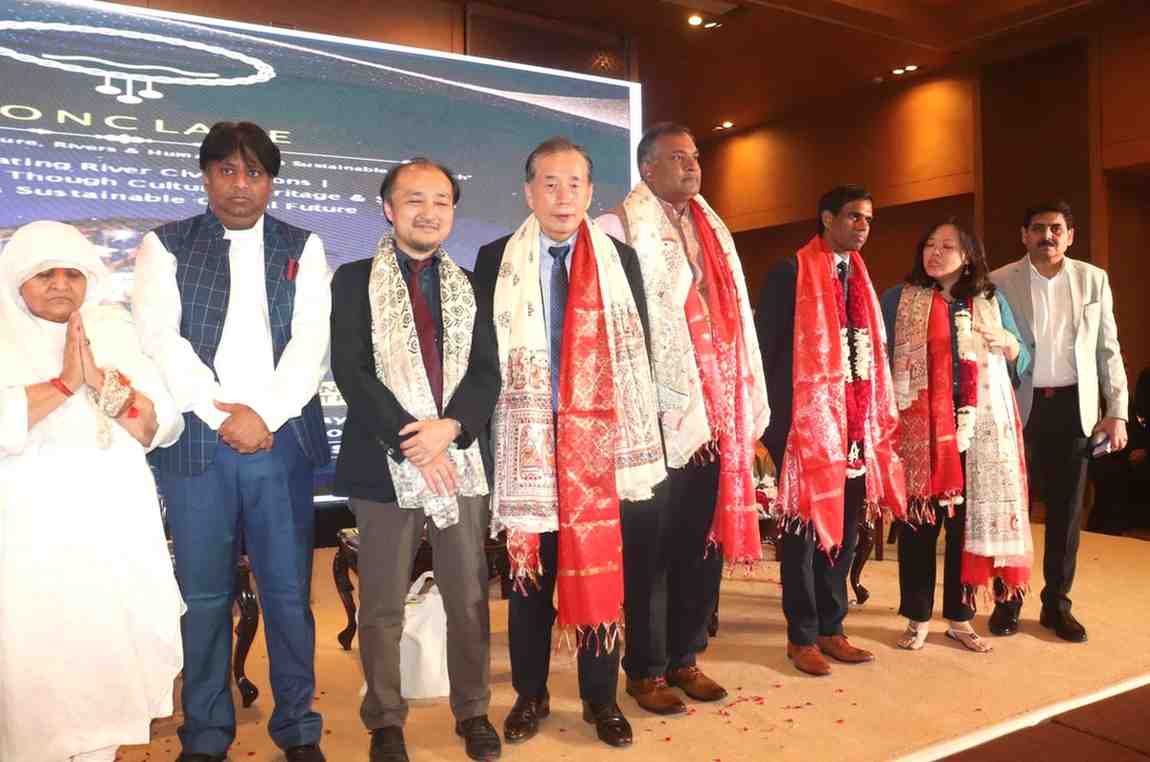
The International Festival of Rivers Global Conclave 2026, co-hosted by the Sanatani Ganga Foundation (SGF) and IDPTS under the guidance of its founder Captain Praveen Kumar, concluded successfully in New Delhi, on May 16, 2026. The conclave brought together policymakers, diplomats, cultural leaders, civic representatives, environmental voices and global stakeholders to reposition river rejuvenation as a people-driven movement rather than a narrow technical debate.
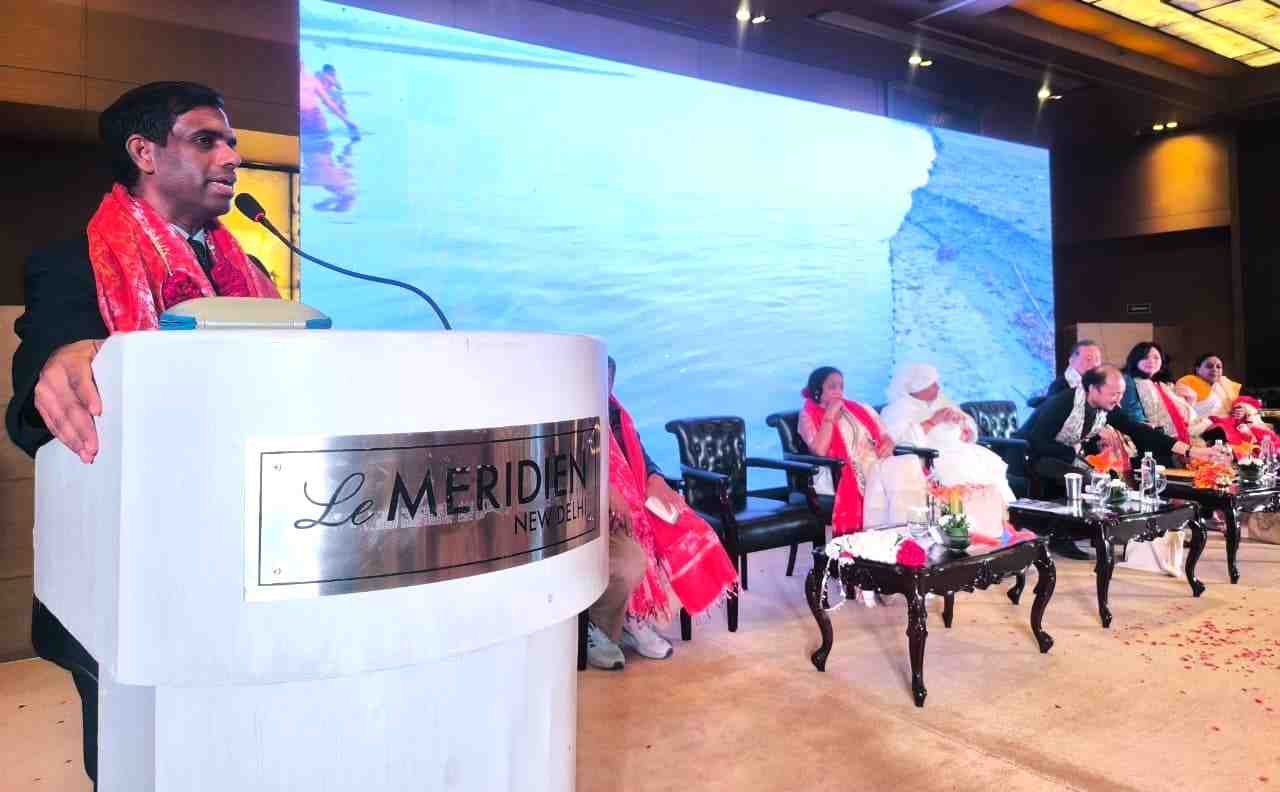 Captain Praveen Kumar, Founder of IFOR, said the New Delhi conclave had set the stage for a larger Asian journey, with Sri Lanka identified as the next major destination.
“The next big IFOR event is scheduled to take place in Sri Lanka, and we are also working towards setting up an IFOR chapter there. An IFOR delegation will soon visit Colombo to discuss the modalities with relevant stakeholders. Sri Lanka will be an important launchpad for expanding this river conservation movement across Asia,” Captain Kumar, a commercial pilot by profession, said.
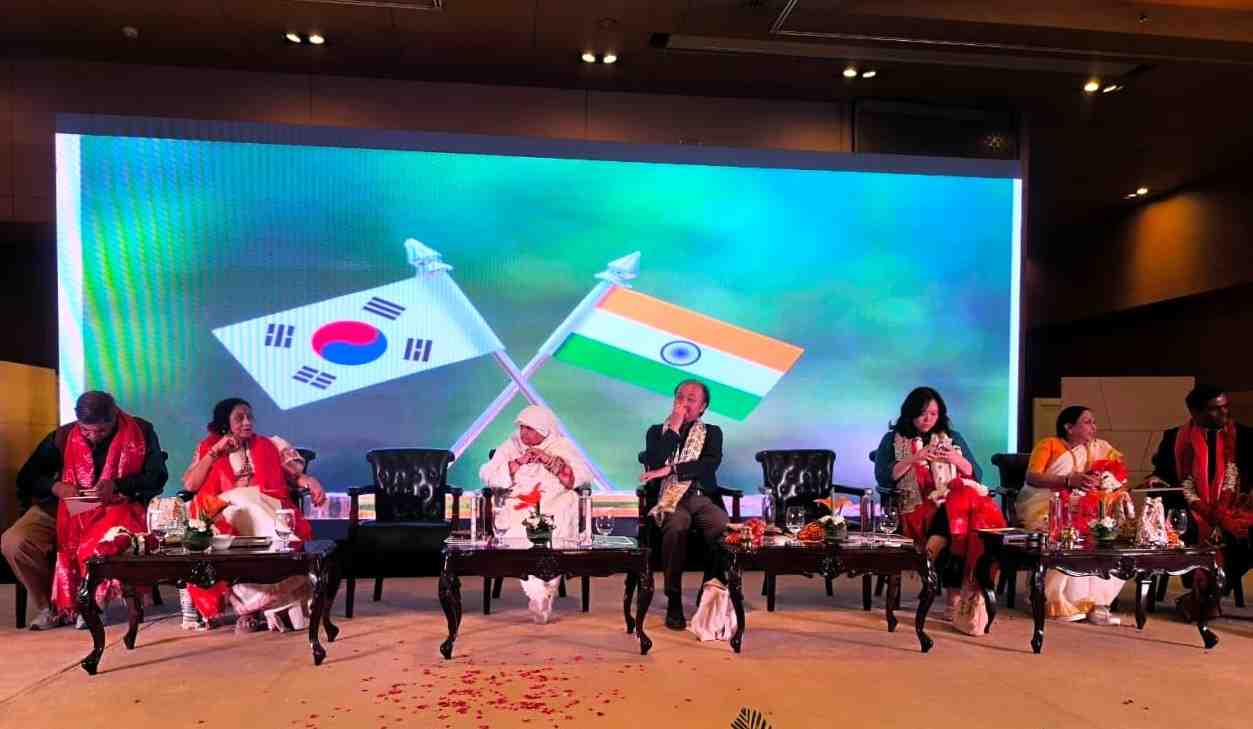 The Sri Lanka plan gained added significance with the presence of Kapila J. Kumara, Minister Counsellor at the Sri Lanka High Commission in New Delhi. His participation in the IFOR Conclave reflected growing interest in linking river conservation with tourism, culture, sustainability and people-to-people engagement.
In his address, Kapila J. Kumara said that the Sri Lankan government would love to have more tourists from India, as his country offered numerous destinations for them. He was all p[raise for the IFOR projects and offered all possible help to make it a grand success.
The Sri Lankan tourism industry veteran and Managing Director at Travelwind Holiday Sri Lanka, G.Kumar Sithambaram, gave a presentation showcasing major attractions for travel in Sri Lanka.
The conclave was marked by an unusual convergence of governance, diplomacy, spirituality, civic leadership and cultural heritage. It also drew national attention through its coverage on the DD Morning Show by Doordarshan National, giving the river conservation message a wider public platform. Rajmata Ambika’s presence added a strong spiritual connection to the overall concept of IFOR.
 In his keynote address, Governor Kavinder Gupta called for mass public participation and urged civil society, universities and youth to promote what he described as “River Literacy.” He said rivers such as the Ganga, Yamuna, Brahmaputra and Godavari were not merely geographical water bodies but the very soul of India’s civilizational identity and survival.
The event also witnessed the presence of Rajmata Ambika Annapurna, whose participation highlighted the spiritual and historical connection between India’s cultural heritage and environmental conservation. Patna Mayor Sita Sahu represented grassroots civic leadership, bringing municipal governance directly into the conversation on river restoration and urban ecological responsibility.
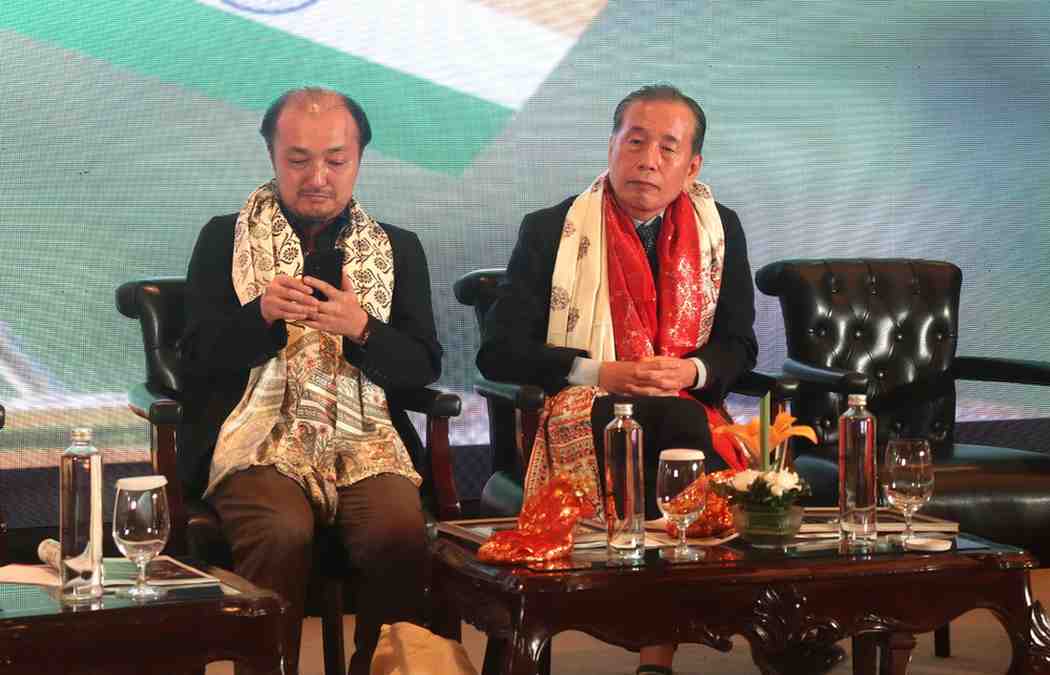
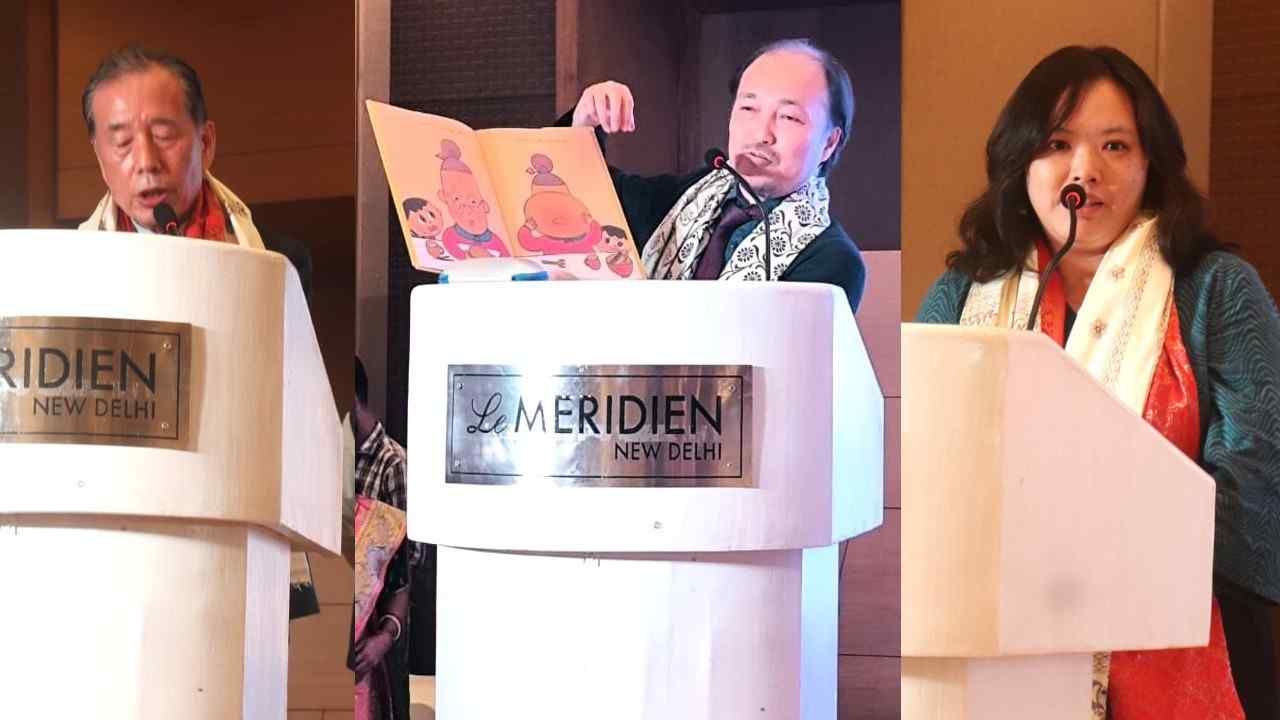
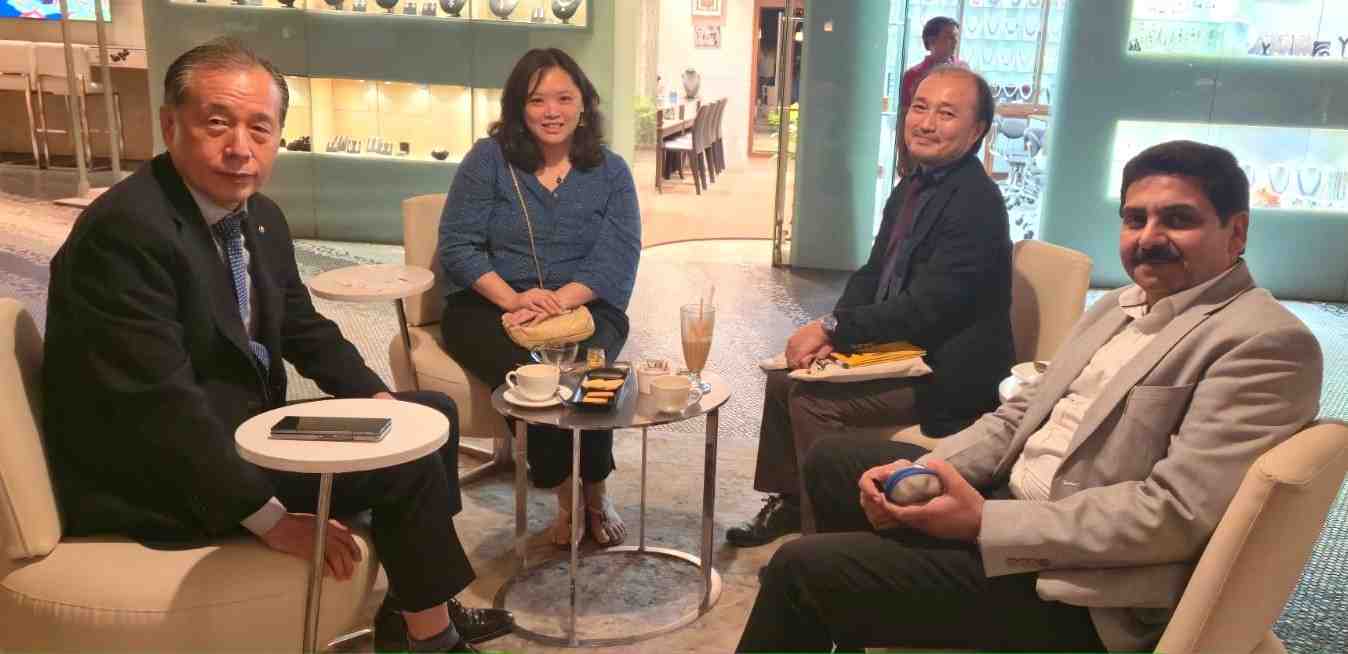
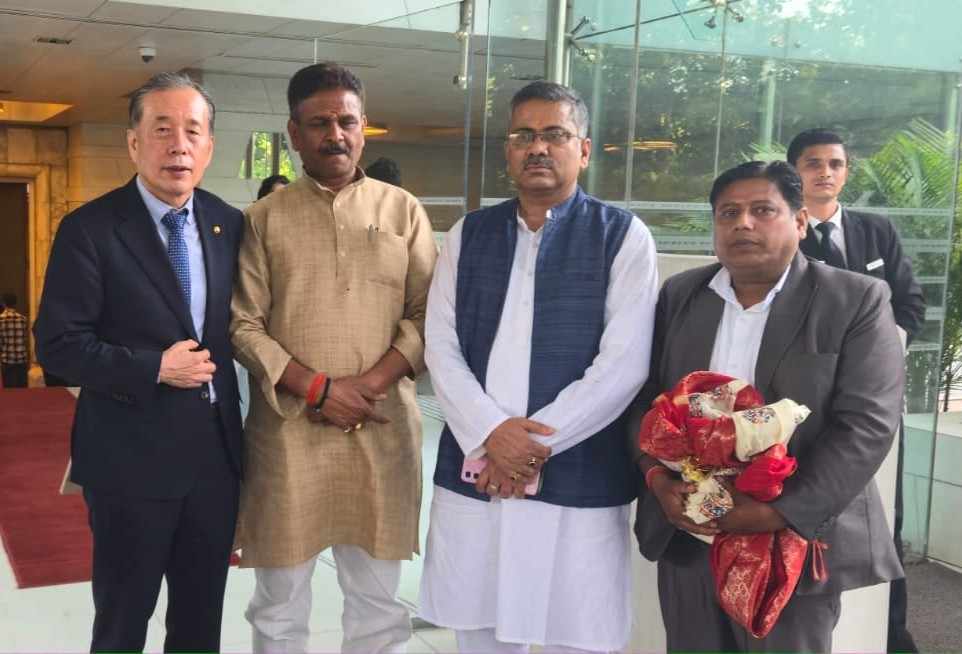
The international character of the conclave was underlined by the participation of several distinguished representatives from East Asian countries and institutions. Among those who attended the event were Ms Rebecca Y. T. Yen, Assistant Representative, Taipei Economic and Cultural Centre (TECC) in India; Koji Sato, Director General, Japan Foundation, New Delhi; and Park Euy Don, Chairman of the Peaceful Unification Advisory Council, Southwest Asia, Seoul, the Republic of Korea. Sanjeev K Ahuja, Founder and Editor-in-Chief, Asian Community News (ACN) Network, who arranged their participation to the IFOR Conclave, introduced them to the audience.
 Koji Sato presented an illustrated storybook written by a Japanese author to the audience, using visual storytelling to promote civic values such as cleanliness, discipline and community responsibility.
Park Euy Don gave the example of Han River development in Seoul, which set the example river-side centric economic-cultural ecosystem for the world. Ms. Rebecca gave the example of Dragon Boat Festival that coincded with IFOR concept.
Built around the theme “A Global Confluence of Culture, Rivers & Humanity with a Sustainable Approach,” the conclave moved beyond conventional climate discussions by presenting rivers as living cultural, ecological and economic corridors.
One of the key ideas discussed at the event was the foundation’s proposed “Silk Route of Water” blueprint. The concept seeks to connect river rejuvenation with local arts, crafts, cuisine, cultural tourism and eco-spiritual experiences. The approach aims to show how river economies can become sustainable when ecological restoration is linked directly with community livelihoods and cultural identity.
 The conclave also brought technology into the river conservation conversation. Sessions explored the use of Artificial Intelligence, smart infrastructure and data-driven systems for real-time water quality monitoring, predictive flood modelling, disaster preparedness and improved management of river basins.
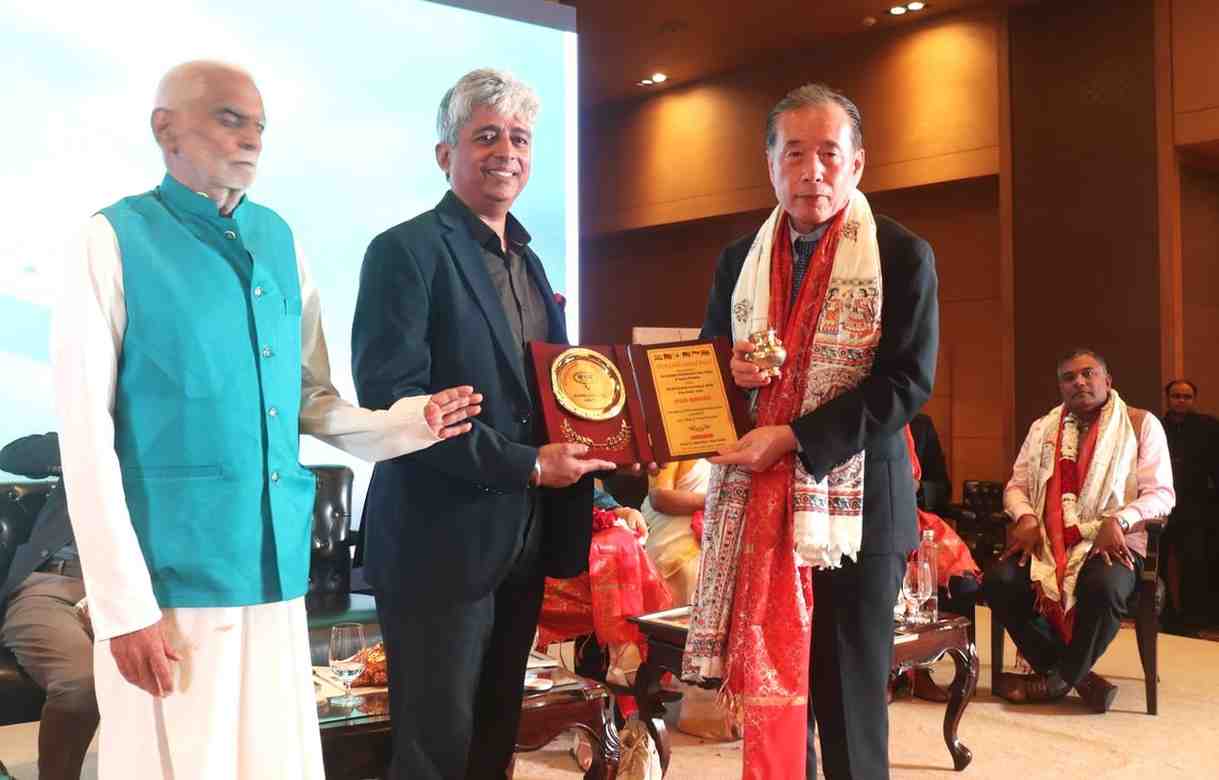
The evening concluded with Rajmata Ambika Annapurna presenting the IFOR Global Cultural Awards. The awards honoured individuals and community leaders for exemplary work in promoting arts, culture and tourism, especially those using cultural expression to reconnect society with rivers and water heritage.
 Organizers said the New Delhi edition had formally opened the way for IFOR to evolve into a travelling international platform. Guided by the philosophy of Vasudhaiva Kutumbakam, the initiative is expected to move from India to Sri Lanka and then gradually expand to Japan, South Korea, Taiwan and Indonesia.
According to the organizers, the larger goal is to create an Asian corridor of river awareness, conservation partnerships and culture-led sustainability. By combining diplomacy, civic participation, technology, tourism and heritage, IFOR aims to transform river conservation into a global people’s movement.
The conclave closed with the message: “Let’s Create Global Impact Together. Save Water, Save Rivers, Save Environment.”