KLTTP 2026 Concludes in India, Preparing the Next Generation of Korean Language Teachers
Six-month programme combines academic training, teaching practicum, AI learning and Korean cultural experiences to strengthen the country’s growing Korean language education ecosystem.

KLTTP in India: A Journey of Building the Next Generation of Korean Language Teachers
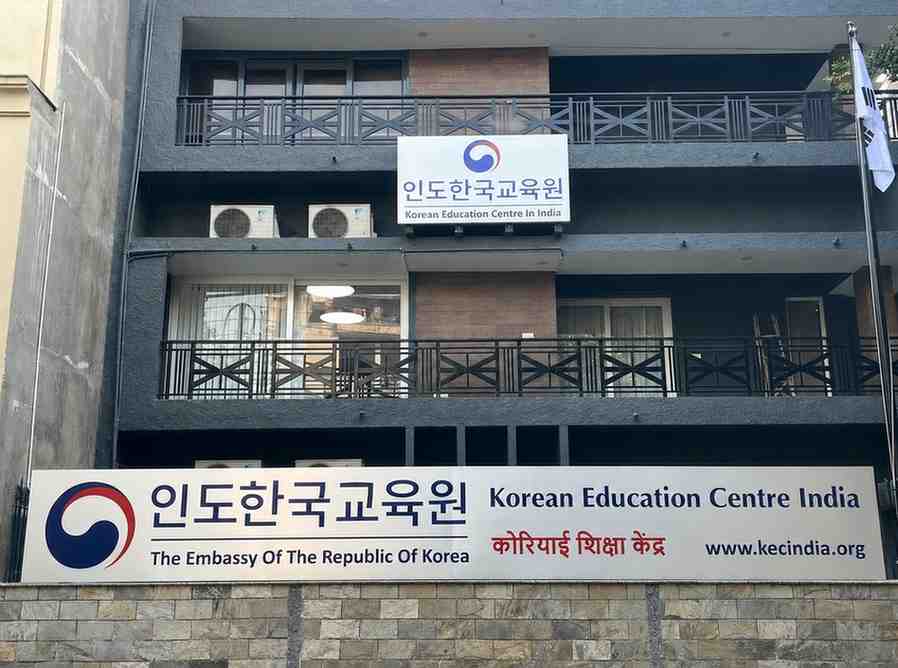
The Korean Language Teachers Training Program (KLTTP) 2026, organized by the Korean Education Centre (KEC), Embassy of the Republic of Korea in India, marked another significant milestone in strengthening Korean language education in India. Designed as a comprehensive teacher training program, KLTTP aims not only to deepen participants’ understanding of the Korean language but also to prepare them as competent and professional Korean language teachers capable of contributing to the rapidly growing Korean language education ecosystem across India.
The 2026 program officially commenced on 2 March 2026and concluded on 6 August 2026, spanning nearly six monthsof intensive academic training, teaching practice, evaluation, and cultural exchange.
A Structured Six-Month Teacher Training Program
Unlike conventional language courses, KLTTP is specifically designed to train future Korean language educators through a balanced combination of theoretical knowledge and practical teaching experience.
The academic portion of the program was conducted over 15 weeks (2 March – 11 June 2026), followed by 4 weeks of practicum (1 July – 31 July 2026).
The curriculum consisted of six specialized subjects, each carefully designed to equip prospective teachers with both theoretical understanding and practical classroom skills.
The six courses included:
• Introduction to Korean Language Education
• Korean Vocabulary and Grammar
• Korean Language Teaching Methodology
• Korean Language Assessment
• Korean Culture Education
• Korean Lesson Plan Development
Each subject consisted of 25 instructional hours, delivered over five weeks, with two classes per week, each lasting 2.5 hours. The teaching practicum added another 32 hours, bringing the total program duration to 182 hours.
Learning from Distinguished Faculty
One of the strengths of the 2026 program was its diverse faculty, bringing together experienced educators from prestigious Indian and Korean universities.
The courses were delivered by:
• Dr. Kaushal Kumar (Jawaharlal Nehru University)
• Dr. Neerja Samajdar (Jawaharlal Nehru University)
• Dr. Satyanshu Srivastava (Jawaharlal Nehru University)
• Santosh Kumar Ranjan (Jawaharlal Nehru University)
• Dr. Myung E. Lee (University of Delhi)
• Dr. Hema (University of Delhi)
• Professor Jang Mi-kyung (Sungshin Women’s University, Republic of Korea)
• Professor Kang Hyun-joo (Honam University, Republic of Korea)
The teaching practicum was supervised by Dr. Kaushal Kumar (Jawaharlal Nehru University), who guided participants in connecting classroom theory with real teaching practice.
International Collaboration Through Online Learning
One of the unique aspects of KLTTP 2026 was its international academic collaboration.
In addition to offline classroom instruction conducted at the Korean Education Centre, two specialized subjects were delivered online by professors from the Republic of Korea, allowing participants to learn directly from Korean experts while experiencing contemporary teaching approaches used in Korean universities.
This hybrid teaching model enabled participants to benefit from both local academic expertise and international perspectives, enriching the overall learning experience.
Beyond the Classroom
KLTTP places equal importance on practical exposure and professional development.
During the program, participants attended a specialized Artificial Intelligence (AI) Workshop, conducted jointly by the current KLTTP faculty and prospective KLTTP instructors. The workshop introduced participants to emerging AI technologies that can support Korean language education, including digital teaching tools, lesson planning assistance, classroom management, and innovative approaches to language learning. It encouraged future teachers to explore how technology can enhance student engagement and improve educational outcomes in modern classrooms.
As part of the Korean Culture Educationcourse, Prof. Santosh Kumar Ranjanorganized an experiential cultural learning session outside the classroom. The activity allowed participants to experience cultural elements first-hand rather than through textbooks alone, helping them understand how culture shapes language, communication, and everyday life. This practical experience reinforced the importance of integrating cultural understanding into Korean language teaching, enabling future educators to create more engaging and authentic learning experiences.
Teaching Practicum: Learning Through Observation
A defining feature of the program was the four-week teaching practicum, during which prospective Korean language teachers were dispatched to local educational institutions to observe real Korean language classes.
Rather than limiting teacher preparation to theoretical study, participants experienced authentic classroom environments where they observed experienced teachers conducting Korean language lessons. Throughout the practicum, participants carefully examined lesson planning, classroom interaction, learner engagement, teaching strategies, and classroom management techniques.
This direct exposure allowed participants to understand how theoretical concepts learned during the program are implemented in real educational settings. Observing diverse learners, different teaching styles, and actual classroom challenges significantly strengthened their confidence and pedagogical understanding before entering the profession themselves.
This practical experience became one of the most valuable components of the entire training program, providing insights that cannot be gained through textbooks alone.
Assessment and Academic Achievement
Following the completion of all instructional and practicum components, participants underwent comprehensive assessments designed to evaluate both their theoretical understanding and practical teaching competencies.
The assessment process reflected the holistic nature of the program, ensuring that future Korean language teachers possess not only academic knowledge but also the practical skills required for effective classroom instruction.
Celebrating Korean Culture: The Tradition of Chaekgeori(책거리)
The successful completion of the academic program was celebrated with a special Chaekgeori (책거리)ceremony, a meaningful Korean cultural tradition that symbolizes the completion of an important stage of learning.
Historically, Chaekgeori originated from Korea’s long-standing respect for scholarship and education. It is traditionally held after completing a significant educational milestone, bringing together teachers, students, and colleagues to celebrate learning, express gratitude, and encourage future academic success.
By incorporating this cultural tradition into KLTTP 2026, participants experienced not only Korean language education but also the deeper educational values of Korean society. The ceremony created a warm and memorable atmosphere where faculty members and participants reflected on the journey they had completed together while celebrating the importance of lifelong learning and mutual respect between teachers and students.
Certificate Award Ceremony
The program concluded with a formal Certificate Award Ceremony, attended by distinguished guests from the Embassy of Republic of Korea, professors, faculty members, program coordinators, distinguished guests, and all KLTTP participants.
The ceremony celebrated the successful completion of the six-month training program and recognized the dedication, perseverance, and academic achievements demonstrated by every participant throughout the course.
It also provided an opportunity for faculty and participants to reflect upon the strong academic relationships that had been built during the program and to reaffirm their shared commitment to promoting Korean language education in India.
A Special Surprise for Outstanding Participants
One of the highlights of the closing ceremony was a special announcement recognizing academic excellence.
The participants securing First Place and Second Place in the program were awarded an educational visit to the Republic of Korea, consisting of a 5-night, 4-day study trip.
This unique opportunity not only rewarded outstanding academic performance but also provided the recipients with first-hand exposure to Korean language, culture, and educational institutions. Experiencing Korea directly is expected to further strengthen their understanding of Korean society and inspire them in their future careers as Korean language educators.
Building the Future of Korean Language Education in India
Since its inception, the Korean Language Teachers Training Program has been dedicated to addressing the growing demand for qualified Korean language teachers in India. As Korean language education continues to expand across schools, universities, and private institutions, the need for professionally trained educators has become increasingly important.
KLTTP 2026 reflects the Korean Education Centre’s continued commitment to building a sustainable ecosystem for Korean language education by nurturing capable teachers equipped with strong academic foundations, practical teaching experience, technological awareness, and cultural understanding.
More than simply completing a teacher training course, the participants completed a transformative journey one that prepared them to become the next generation of Korean language educators who will contribute to strengthening educational and cultural ties between India and the Republic of Korea for years to come