

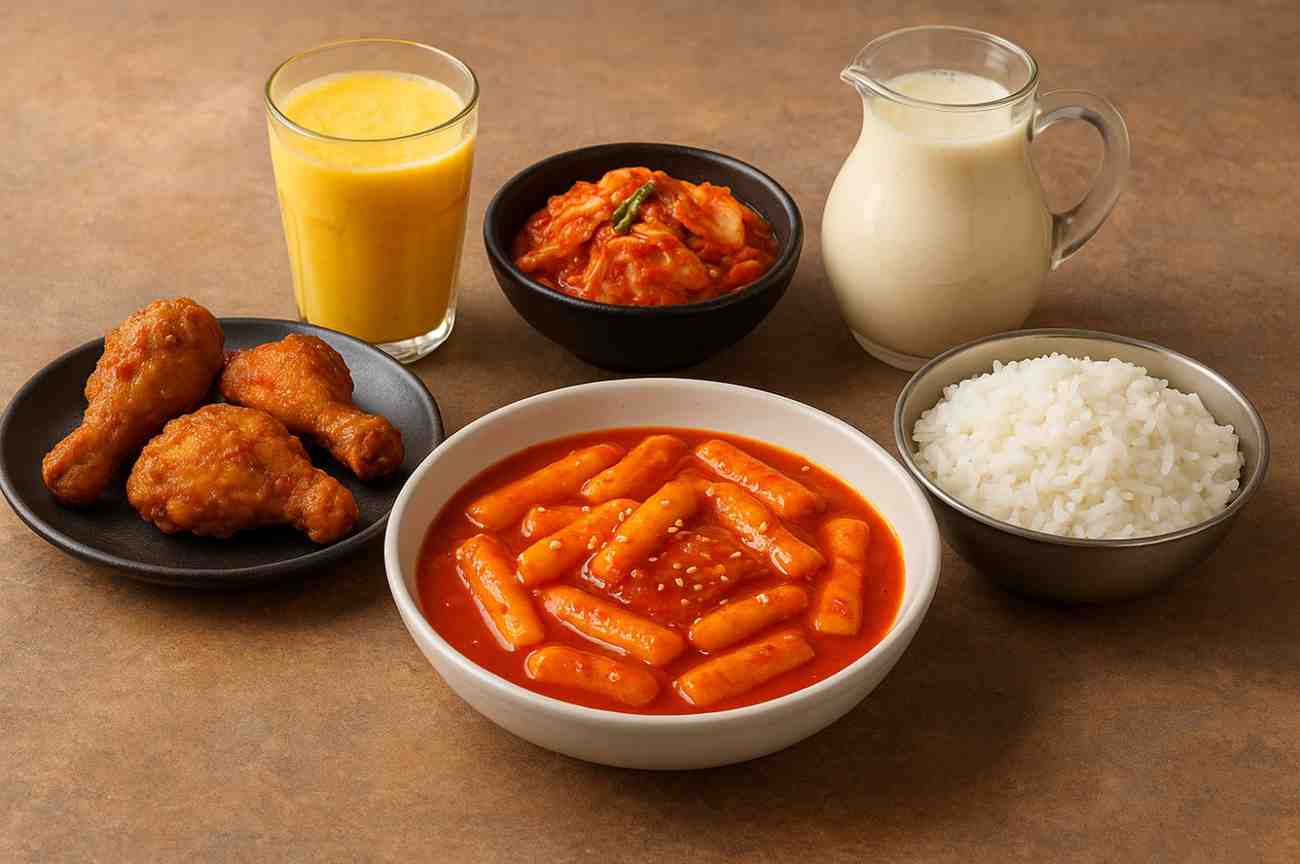
New Delhi, India, August 29, 2025 — The world of gastronomy thrives on experiments, and one of the most exciting frontiers is the fusion of flavors across cultures. Korean cuisine, known for its bold spices, fermented delicacies, and hearty comfort food, has found an enthusiastic following in India. At the same time, India’s vast variety of traditional drinks, from cooling lassis to spiced masala chais, offers an equally diverse flavor palette. Pairing Korean food with Indian beverages becomes not just a culinary experiment, but a cultural dialogue between two food-loving nations.
When thinking of kimchi, Korea’s iconic fermented cabbage dish, the immediate thought is its tangy, spicy punch. Surprisingly, this works beautifully with the soothing richness of a sweet mango lassi. The creamy texture of lassi tones down the fiery bite of kimchi while enhancing its tanginess. This pairing demonstrates how Indian dairy-based drinks can balance the strong flavors of fermented Korean foods, making them more approachable for newcomers.
Korean barbecue, or samgyeopsal, is another dish that invites inventive drink pairings. Traditionally, Koreans enjoy it with soju, but when experimenting with Indian beverages, one might try a chilled glass of jaljeera. The tangy, cumin-infused drink cuts through the fattiness of grilled pork or beef, offering a refreshing counterbalance. The digestive properties of jaljeera also make it a clever choice, ensuring that the heaviness of barbecue is enjoyed without discomfort.
Another fascinating combination arises with Korean fried chicken, beloved for its crunchy coating and sweet-spicy sauces. Paired with India’s masala soda, it becomes a lively fusion. The fizz and spiced undertones of masala soda complement the glaze on the chicken while also keeping the palate refreshed. This combination captures the youthful energy of both Korean and Indian street food culture, proving that fizzy Indian drinks can rival Korean beer in such settings.
Bibimbap, the Korean mixed rice bowl topped with vegetables, meat, and egg, offers a more wholesome experience. With this dish, pairing becomes an opportunity to highlight subtle contrasts. A glass of chilled buttermilk (chaas), lightly seasoned with salt and coriander, harmonizes well with the earthy flavors of bibimbap. Both dishes share a sense of balance—bibimbap in its mix of textures and tastes, and buttermilk in its cooling simplicity—creating a pairing that feels nourishing rather than indulgent.
Spicy Korean stews like kimchi jjigae or army stew bring forth robust, warming flavors. To complement these, a spiced masala chai offers an unusual yet surprisingly compatible drink. The warmth of the tea, infused with cardamom, ginger, and cinnamon, resonates with the spice-forward nature of the stew, while the milky base provides comfort against the stew’s heat. This pairing highlights how beverages typically seen as separate from meals can, in fact, enhance them.
For those with a sweet tooth, Korean desserts like bingsu (shaved ice with toppings) can meet their Indian counterparts in drinks like rose milk. The floral notes of rose milk amplify the delicate toppings on bingsu, such as fruits or red beans, without overwhelming the palate. This creates a refreshing finale that merges the summer dessert cultures of both nations in a single bite and sip.
At its heart, this experiment is about finding harmony in contrast. Korean food often thrives on bold, fermented, and spicy flavors, while Indian drinks offer creamy, spiced, tangy, and refreshing elements. Together, they do not compete but complement one another, creating experiences that are at once familiar and exciting. Such pairings show how culinary borders can be dissolved with creativity, and how two distinct traditions can meet at the table to form something entirely new.
In the end, pairing Korean food with Indian drinks is more than a novelty—it’s a celebration of global food culture. It reflects curiosity, openness, and a love for flavor that transcends geography. For adventurous food lovers, such experiments provide not just delicious surprises but also meaningful stories of shared humanity through taste.